
REDUCE THE URGE TO SCRATCH BY 88% WITH OUR NEW ATODERM AD INTENSIVE BALM SHOP NOW

Hydrabio - Dehydrated, sensitive skin

All skin types - dry, oily, or combination - can suffer from dehydration, leaving skin tight and dull. BIODERMA’s Hydrabio range provides deep, long-lasting hydration that strengthens the skin barrier and keeps it moisturised all day. From hydrating cleansers and moisture-boosting serums to protective creams, Hydrabio offers a complete skincare routine to restore radiance and comfort instantly and over time. 

Sort by :
Filter by
7 products

We couldn’t find any matching products.

We invite you to:

  • Use our search bar to easily find what you’re looking for
  • or click here to discover all of our products

FAQs


Dry skin and dehydrated skin are often mistaken for one another because the symptoms can look and feel very similar. Both may cause a dull or uneven complexion, tightness, tingling, irritation, itching, or peeling.


The key difference lies in the underlying cause:

  • Dry skin is a permanent skin type that lacks both water and lipids. It requires long-term care with nourishing products to restore comfort and suppleness.

  • Dehydrated skin is a temporary condition where the skin lacks water but not lipids. It can affect any skin type whether normal, oily, dry, or combination and at any age. Dehydration is often triggered by internal or external factors, such as weather changes, diet, stress, or skincare routines that disrupt the skin’s natural water balance.


Understanding the difference between the two is essential, as it helps you choose the right skincare products to restore healthy, comfortable skin.


Water makes up around 70% of the skin’s total weight and plays a vital role in keeping it healthy. It supports many biological processes, including maintaining a balanced skin microbiome. A diverse, well-functioning microbiome is key to strong, resilient skin.


Skin hydration depends on two main factors:

  • Aquaporins - microscopic channels that help water circulate within the skin.

  • The hydrolipidic film - a protective layer on the surface of the skin that prevents excessive water loss.


When these mechanisms work properly, the skin stays well-hydrated, supple, soft and radiant, while also acting as an effective barrier against external stressors. However, if hydration is disrupted by internal or external factors, the effects can appear quickly from a dull complexion and loss of radiance to discomfort, tightness, tingling and peeling.


Dehydrated skin can be triggered by a combination of external factors and biological factors.


  • External causes include changes in climate or environment, such as fluctuations in temperature or humidity. Sun exposure, pollution and even physical activity can also contribute to increased water loss from the skin.

  • Biological causes include stress, fatigue, or lifestyle factors that temporarily disrupt the skin’s natural balance.


When the skin becomes dehydrated, its barrier function weakens, leading to excessive water loss, discomfort, dullness and a visible lack of radiance. The good news is that dehydration is usually a temporary state that can be corrected with the right skincare and lifestyle adjustments.


To deeply hydrate and strengthen the skin, look for formulas that combine moisturising and barrier-reinforcing ingredients. Bioderma’s Hydrabio range offers products enriched with powerful ingredients such as hyaluronic acid, known for its ability to retain up to 1000 times its weight in water. Niacinamide, which supports the skin’s natural lipid production and Prebiotic Sugar, which nourishes the microbiome. Some formulas also feature Bioderma’s innovative Aquagenium+ technology, designed to boost water flow and reactivate the skin’s natural hydration mechanisms. Each Hydrabio product combines selected ingredients and technologies to best meet specific hydration needs, helping restore and maintain a strong resilient skin barrier. 


A good skincare routine for dehydrated skin should focus on gentle cleansing, deep hydration, and barrier reinforcement. The goal is to restore the skin’s natural moisture balance and protect it from external stressors.


Step 1: Cleanse gently 
Avoid soaps or cleansers with harsh surfactants, as these can strip away the hydrolipidic film. Instead, opt for products designed to hydrate as they cleanse:

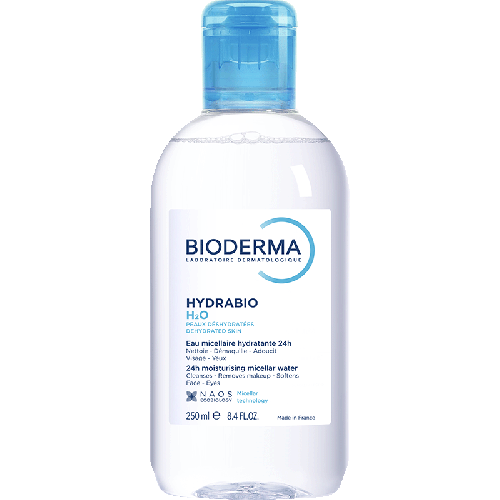
  • Hydrabio H2O Micellar Water - ideal for cleansing and removing makeup, with Aquagenium+ Technology to reactivate the skin’s natural hydration processes.


Step 2: Boost hydration 
Apply a hydrating serum for an intensive moisture boost:

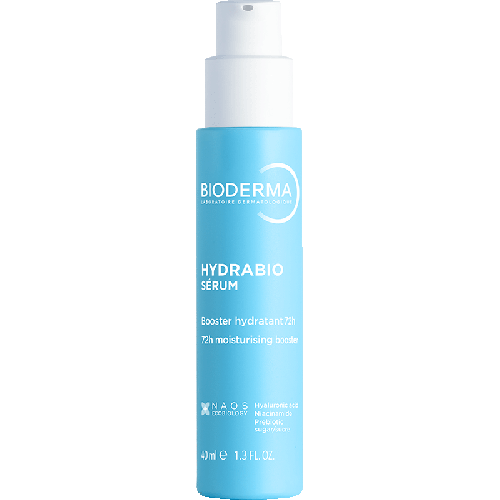
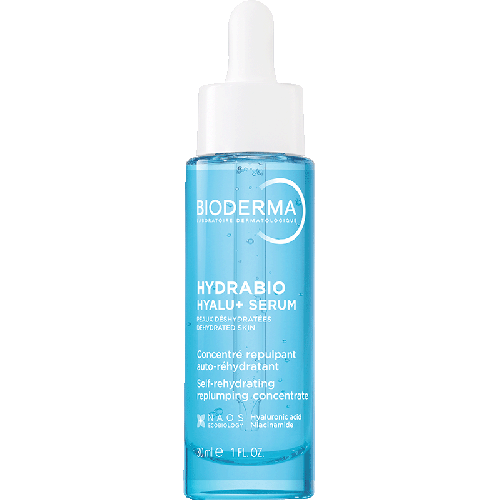
  • Hydrabio Hyalu+ Serum - combines Aquagenium+ Technology with hyaluronic acid for lasting hydration. It also contains niacinamide and prebiotic sugar to strengthen the skin barrier and support a balanced microbiome.


Step 3: Moisturise and protect 
Choose a daily moisturiser suited to your skin type:

  • Hydrabio Cream Pot - provides long-lasting hydration for dehydrated skin, restoring softness and comfort.

By following this routine consistently, dehydrated skin can regain comfort, suppleness, and a healthy glow.


Yes. Even oily skin can become dehydrated due to external factors such as weather, pollution, stress, or harsh cleansers. Dehydration is a skin condition, not a skin type, and it can affect all skin types, including oily skin.

Using a non-comedogenic moisturiser helps restore the skin’s water balance without clogging pores, leaving the skin soft, comfortable, and supple. Bioderma’s Hydrabio range is ideal for providing deep hydration without overloading the skin with lipids.