REDUCE THE URGE TO SCRATCH BY 88% WITH OUR NEW ATODERM AD INTENSIVE BALM SHOP NOW

How to get rid of acne marks and scars?

Reading time : 5 min

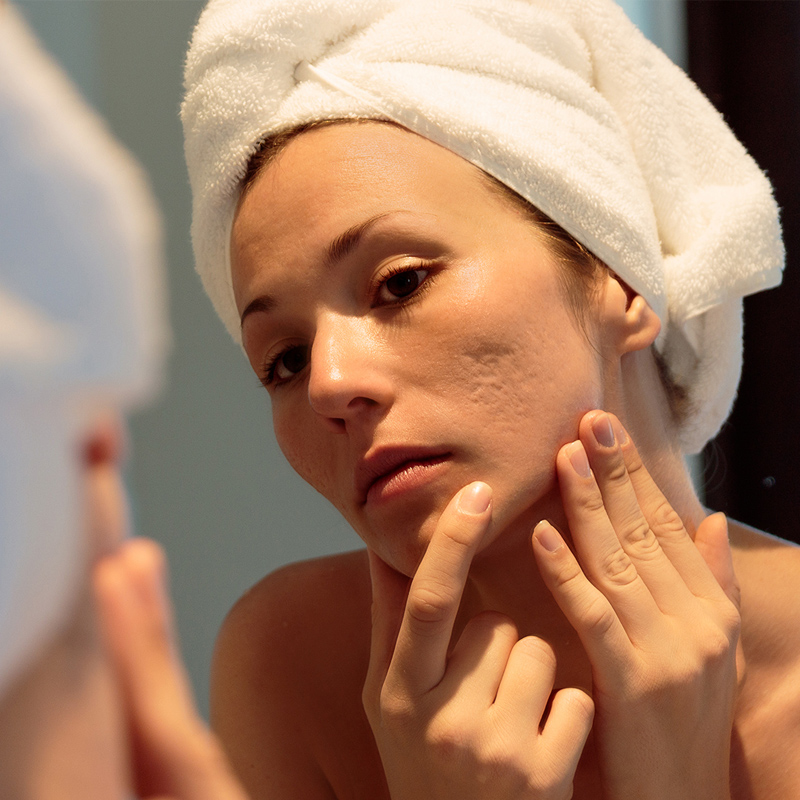
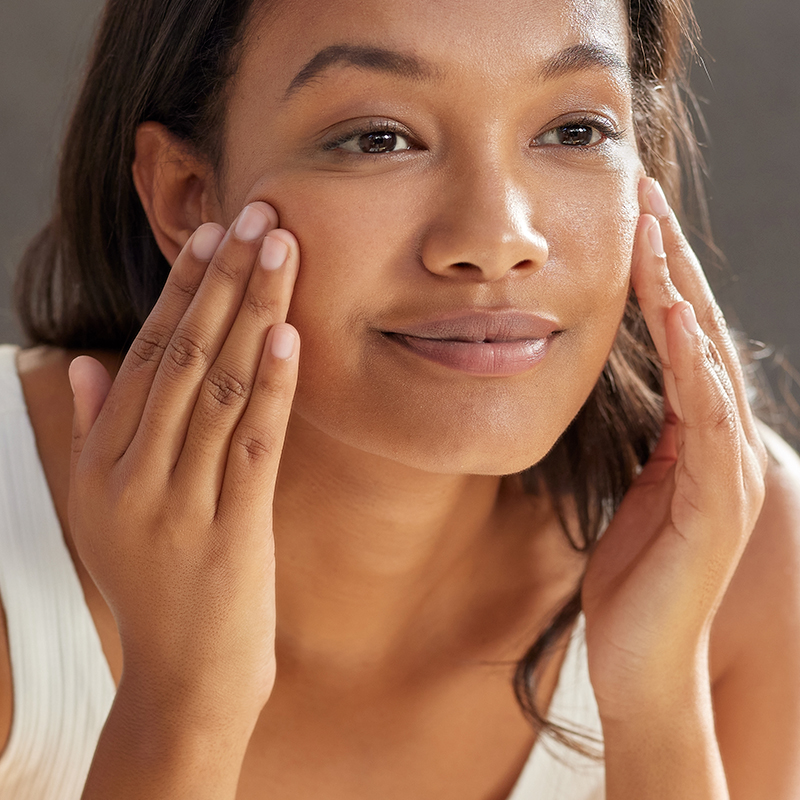
women in front of mirror

Quite frankly, marks and scarring aren’t something that comes to mind when acne first starts. And yet for dermatologists, it’s the most feared complication.


Acne occurs when your pores are clogged with oil and dead skin cells, as a result can leave marks and even scarring. Reducing marks and scars requires different treatments.

Understanding acne marks and scars


Before considering how acne marks and scars form and what we can do to get rid of them, let’s quickly recap what is acne and why it occurs.

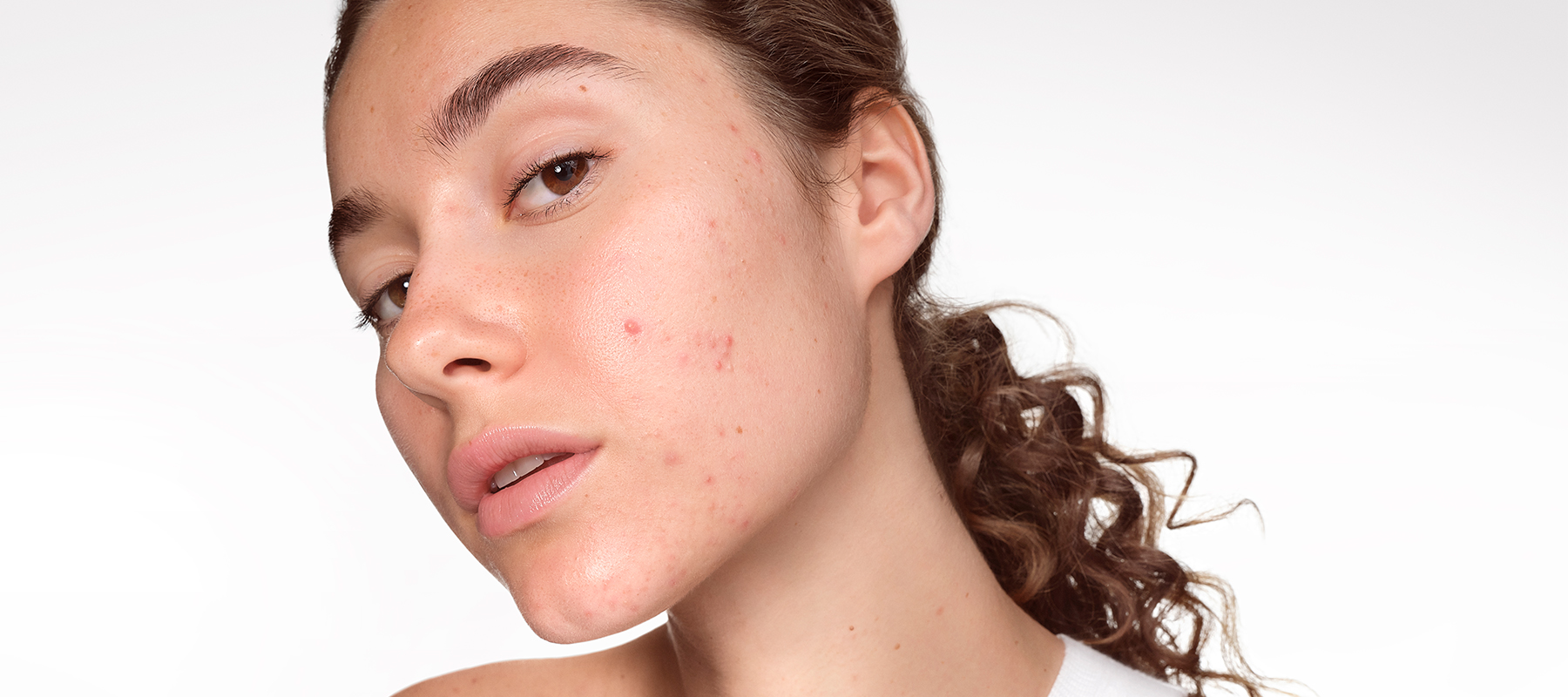
woman with acne scars and marks

What Causes Acne?


Acne is a common skin pathology affecting the pilosebaceous follicle, which is caused by too much sebum (hyperseborrhea) and poor-quality sebum (dysseborrhea). As the skin thickens, the sebum gets blocked under the surface, leading to comedones. The bacteria responsible for acne, Cutibacterium acnes, develops in the accumulated sebum. When this inflammatory stage has been reached, closed comedones form, resulting in painful red spots.

Lesions of varying degrees of severity appear mainly on the face, thorax and back - from blackheads to deeply inflamed cysts.


What is the difference between acne marks and acne scars?


Acne marks are temporarily discoloured and will naturally disappear, although this may take many months. On the other hand, acne scars are permanent skin damage and will not disappear without treatment.

What is the difference between acne marks and acne scars?


Acne marks are temporarily discolored and will naturally disappear, although this may take many months. On the other hand, acne scars are permanent skin damage and will not disappear without treatment.

What are acne marks? How can you get rid of them?


Acne lesions (commonly known as spots) can leave marks, even once they are no longer inflamed. The skin around an acne lesion may change color (discoloration). The purple, red, or brown marks will gradually fade on their own, although this may take a long time.


Adopting simple steps can help reduce the appearance of acne marks:


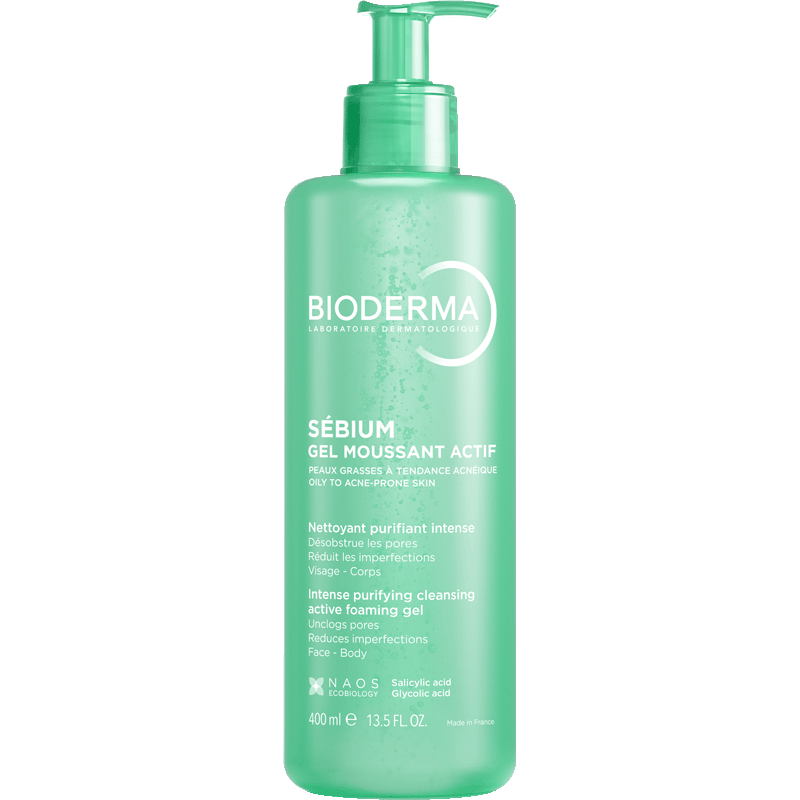
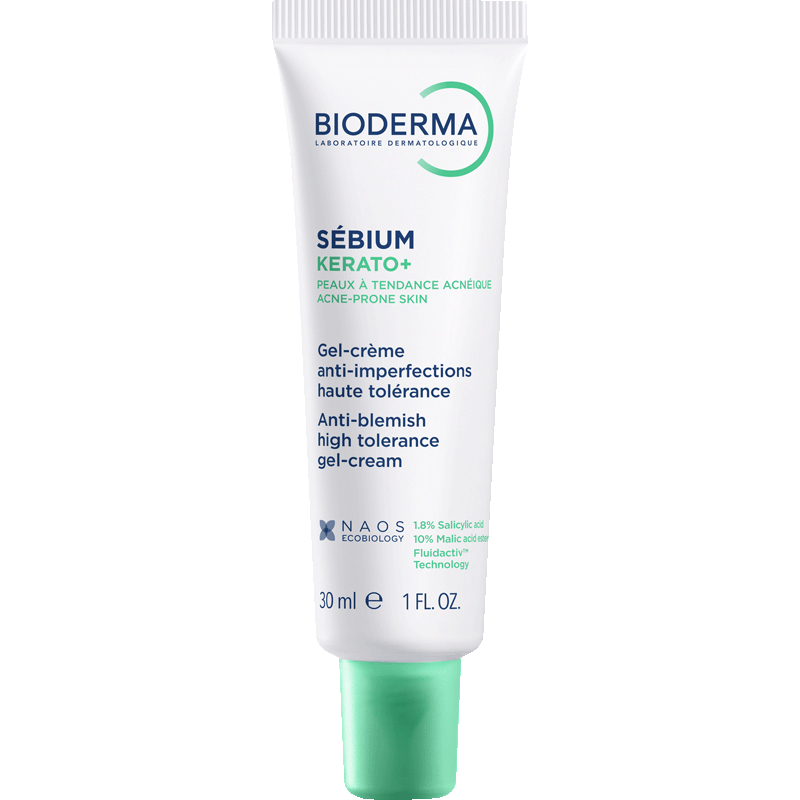
Targeted skincare products, like SEbium Kerato+ , can also help reduce acne marks. This cream-gel acts on mild to moderate acne to help reduce imperfections (-18.9% acne volume in two days and -41.1% after a month*) and acne marks(-19.6% in pigment spots and marks in two days, -36.2% after a month*).


*Source : Use test under dermatological control performed on 33 subjects aged 18-42 with combination, oily or acne-prone skin – Eurofins No. 20E5071


What are acne scars?


Scars form when an acne lesion penetrates the skin deeply and damages the tissues. These acne scars can take different forms and require different kinds of treatment.


Depressed acne scars 


Most common on the face, atrophic or depressed scars are positioned below the surrounding skin. They form when the body does not produce enough collagen as the wound heals. There are three types.

 

These wide, U-shaped scars have sharp edges. The shallower they are, the better they respond to skin resurfacing treatments.


These are narrow, V-shaped scars that sometimes appear as small round or oval holes, rather like a chickenpox scar. They often are difficult to treat because they go deep under the surface of the skin.


These wide depressions usually have rounded edges and an irregular, rolling appearance.


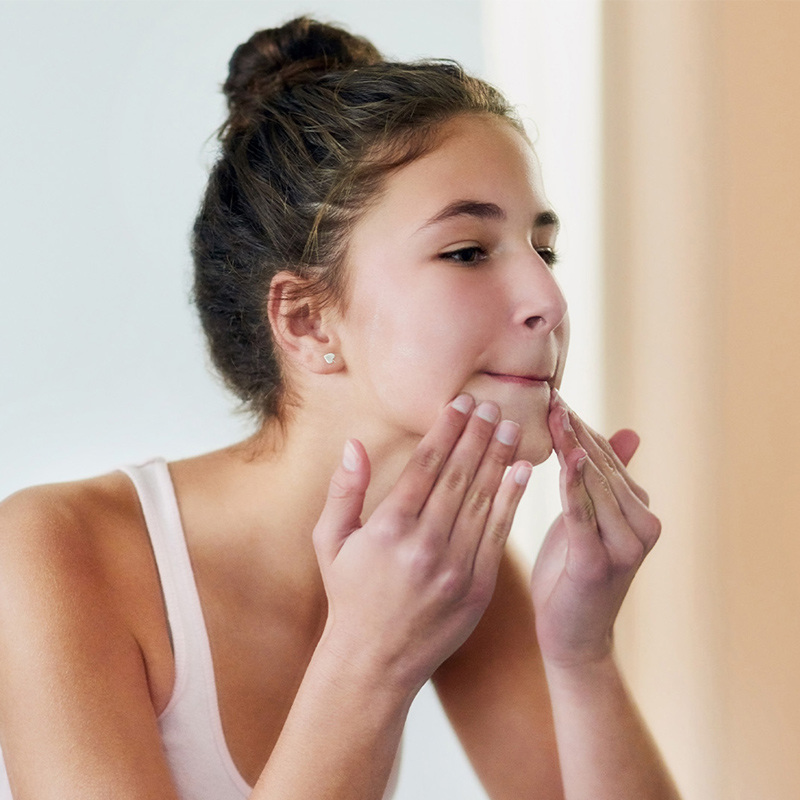
teen touching chin skin

How can acne scars be treated?


While minor acne marks may disappear spontaneously, sometimes after several months or weeks, scars can be more challenging to remove. Depending on the type of scars – sunken or raised, pigmented or non-pigmented – and how long they have lasted, various techniques can be used to reduce or eliminate them.


Before beginning to treat acne scars, it is important to bear three things in mind.


  • You need to get rid of your acne first, as new breakouts can create new acne scars. Furthermore, some acne scar treatments are not compatible with acne medication. 
  • Your skin tone may have an impact on the type of treatment and its efficacy. For example, deeper skin laser treatments may lead to more scarring and pigmentation for darker skin types.
  • Always consult a dermatologist or healthcare professional to determine the most appropriate treatment. 


There is a wide choice of acne scar treatments. Below are some of the treatment options.


The first step to calm a painful spot is to apply ice. Wrap some ice in a cloth or plastic bag and press it against the inflamed area for 3 to 4 minutes. Repeat several times during the day to soothe the skin and reduce swelling.


Products containing salicylic acid can help remove excess oil and dead skin. Another important ingredient to look for is benzoyl peroxide as it also helps kill the bacteria that caused the spot.


Many face masks target spots and may well contain ingredients like salicylic acid and benzoyl peroxide.


If your spots won’t go away, keep coming back or get worse, it is best to see a specialist. A dermatologist will be able to suggest the most appropriate treatment, including stronger prescription-only topical and oral options. 


Dermabrasion is a type of surgical skin planing. Healthcare professionals remove the top layer of your skin. Although you also find microdermabrasion kits to do at home.


At-home or dermatologist-applied chemical peels feature a strong acid that removes the top layer of the skin to reduce deeper scars. 


The healthcare professional uses a laser to remove the top layer of the skin, which usually heals faster than following other resurfacing treatments.


Fillers (such as hyaluronic acid, poly-L-lactic acid, and body fat) are injected under the surface of the skin to plump and smooth out depressed scars. Most last between 6 and 18 months, but some are permanent.


The needles on a small handheld roller or “pen” puncture the surface of the numbed skin. As the skin heals, it produces collagen.


How can you prevent acne scars and marks?


The prevention of marks and scarring from acne lesions is simple and revolves around two basic rules:


  1. Don't touch your blemishes: Touching, popping or squeezing your blemishes in front of the mirror will considerably increase the risk. If you deeply damage your skin, it will further break out and will then have a hard time repairing itself, possibly resulting in the formation of scars.
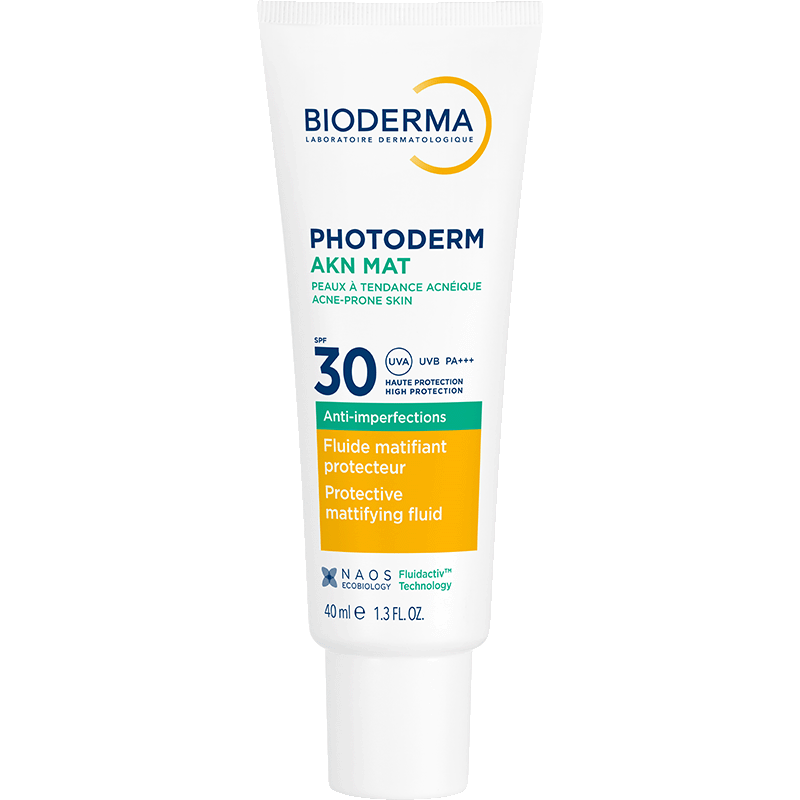
  2. Don't expose yourself to the sun: This is partly because the sun aggravates acne, even though it appears to improve the skin at first. In addition, many anti-blemish treatments are photo-sensitising and react to the sun, causing dark spots. Lastly, and most importantly, lesions in the healing phase – like any other lesions – can become pigmented in the sun. If the skin is damaged, UV radiation causes local hyperpigmentation that can be permanent.