REDUCE THE URGE TO SCRATCH BY 88% WITH OUR NEW ATODERM AD INTENSIVE BALM SHOP NOW

The Ultimate Guide to Caring for Combination to Oily Skin in the Sun

Reading time : 4 min

woman exposed to sun

Wear sunscreen. Keep pores clear. Let your skin breathe. Conceal blemishes and scars. Protect against UV damage.


So many essential steps make up a daily skincare routine - especially for oily or combination skin, where shine often appears across the T-zone (forehead, nose and chin).


But with so many skincare goals to balance, how can you achieve them all at once?

Oily skin, shiny skin, dilated pores, blackheads and possibly spots – it can all be a nightmare during waking hours! The oily and greasy look makes you feel unclean and yet washing only seems to provide a short respite before the shine comes back. Embarrassed and annoyed, you search for care routines that dim your shine to a radiant glow of health and beauty.


A substance naturally secreted by the human body, sebum is composed essentially of lipids that come from the sebaceous glands. Often fought against because of blemishes and unwanted shine, sebum is nonetheless essential to skin balance. It is part of the skin’s hydrolipidic film, which keeps the skin hydrated, protects it, preserves the skin’s microbiota and limits the development of pathogenic agents. Sebum therefore needs to be protected, even if it’s sometimes necessary to check its excesses…


Sebaceous glands produce sebum, which is responsible for the oil on the skin’s surface. Although the number of sebaceous glands that we have remains constant throughout life, sebum secretion rates are highest between 15 and 35 years old. They decline continuously after that¹. There is the temptation to wash your face constantly to remove the shine and oil, but sebum replenishes itself immediately when it is removed.


¹Jacobsen E, Billings JK, Frantz RA, Kinney CK, Stewart ME, Downing DT: Age-related changes in sebaceous wax ester secretion rates in men and women. J Invest Dermatol 1985; 85: 483–485.


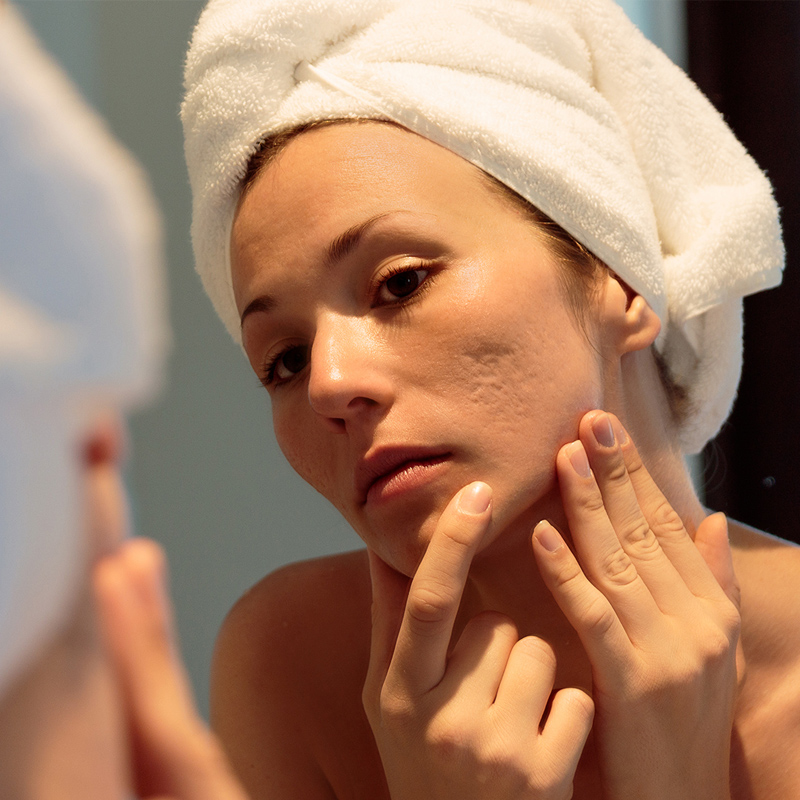
woman in front of the mirror

Having combination to oily skin does not automatically mean you will have blemishes. The skin is a delicate ecosystem whose balance can easily be disrupted by environmental and internal factors. Sebaceous glands, which produce sebum, can be influenced by stress, hormones, pollution and UV exposure. When these glands become imbalanced, they may produce too much sebum that is also poor in quality,  a condition known as dysseborrhoea. This excess oil allows bacteria to colonise pores, leading to inflammation and pimple formation.


From Tennager to adult acne


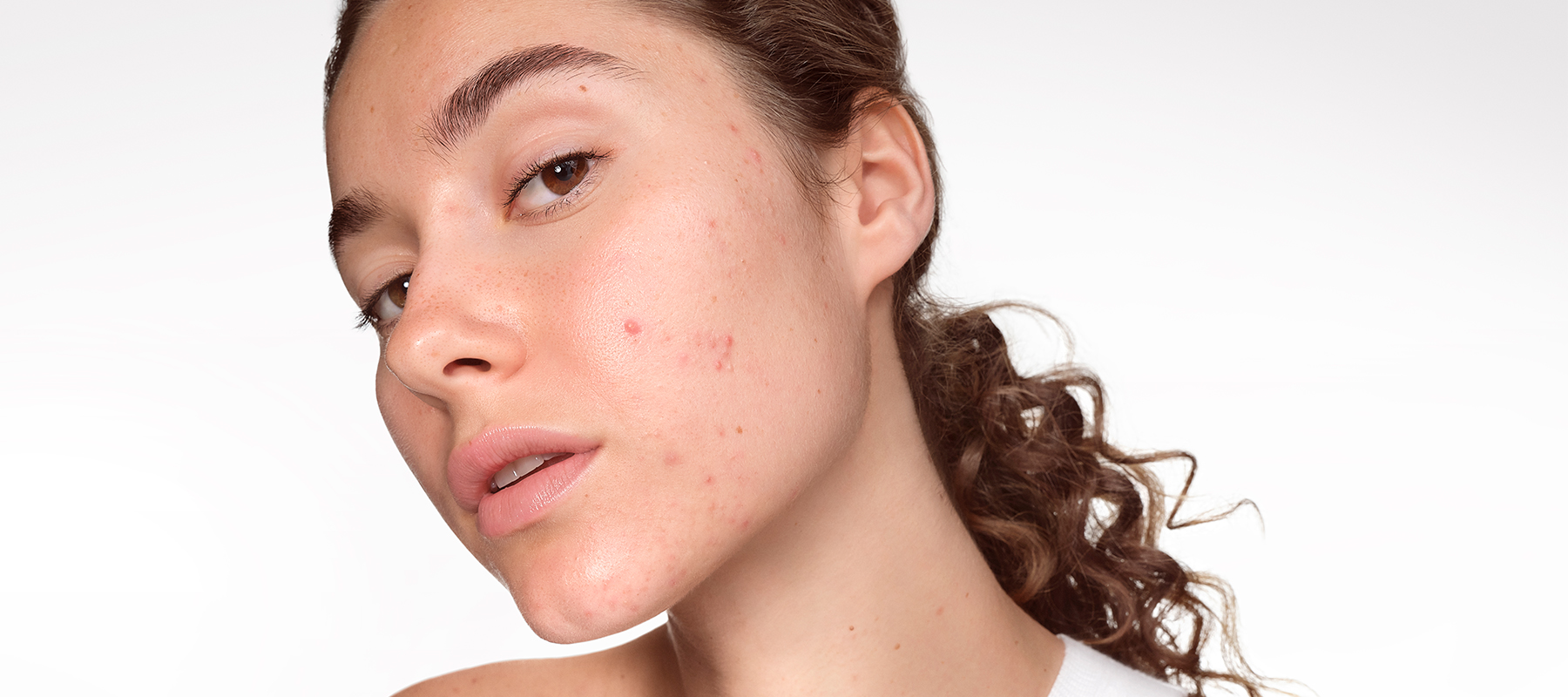
Adult acne primarily affects women and is becoming increasingly common - impacting up to one in four. It can either be a continuation of teenage acne or develop around the age of 25. Breakouts often appear on the lower face, where nodules beneath the skin evolve into inflammatory papules and pustules (commonly known as pimples).

Stress, hormones and certain cosmetics can worsen these flare-ups, making proper skincare management essential for clear, balanced skin.

The sun's effects on combination to oily skin


Managing oily skin is one thing but protecting it from the sun is just as important. While sunlight offers many benefits warmth, vitamin D and an instant boost to mood - it can also have adverse effects on combination and oily skin, impacting its health, balance and appearance.

woman in the sun

Greater sebum secretion


Changes in temperature make sebum more or less viscous, and summer is the season when sebum secretion is at its highest – year-round if you happen to live in a tropical climate! A 1°C increase in the temperature leads to 10% more sebum being secreted.2


 2Cunliffe WJ, Burton JL, Shuster S: The effect of local temperature variations on the sebum excretion rate. Br J Dermatol 1970; 83: 650–654.


Increased pigmentation and more visible scars


Sun exposure brings melanin to the surface of the skin. Melanin is our natural protection from UV rays. Our tan helps to protect us from the sun’s more damaging rays – up to a point. UV exposure on recently healed lesions can cause post-inflammatory pigmentation, darkening scars so that they stand out more. This hyperpigmentation can be a real problem for people who have acne-prone skin.


Thicker skin and more acne


UV rays also thicken skin. The epidermis grows for further protection from the sun and can block pilosebaceous follicles. Sebum stays below the skin’s surface and bacteria multiply. Acne sprouts even worse!

Do you know your skin concern?

  • Analyze your skin

    Scan your skin and discover your personalized routine

    Try SkinObserver

Keeping combination to oily skin healthy, beautiful and protected


The urge to conceal


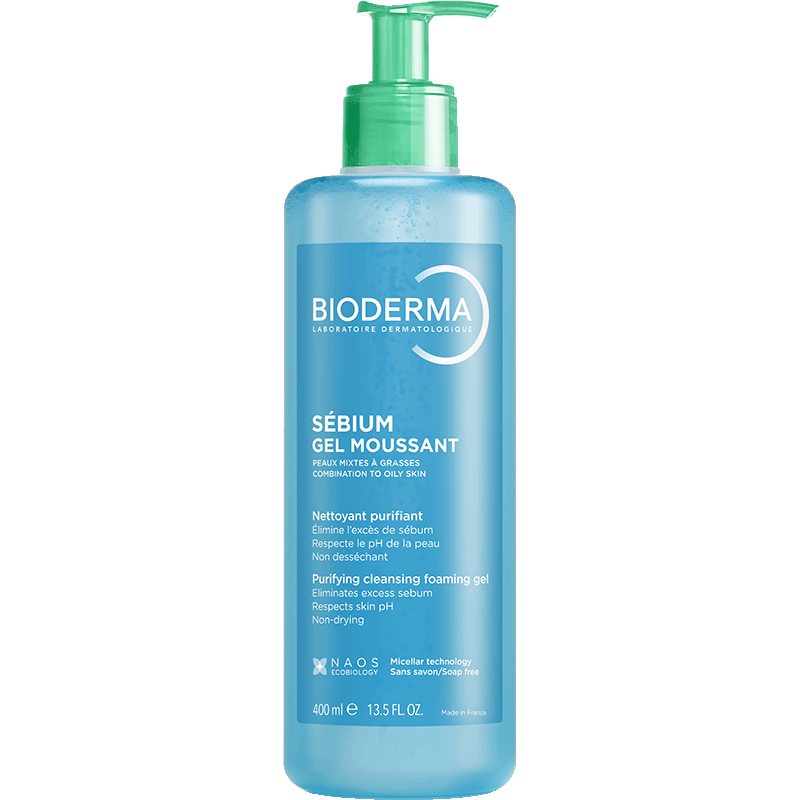
People with combination to oily skin naturally try to reduce shine by applying mattifying creams and powders. When there are also blemishes and scars, you may opt for a high-coverage foundation. Silicon-based foundations cover up all evidence of oiliness, spots and sun damage but they can also clog pores. Your skin looks great, but may feel smothered and ready to break out. With all tinted creams, concealers and foundations, you need to be sure they are non-comedogenic, reducing the risk of further blemishes.


Protect your skin and keep pores clear


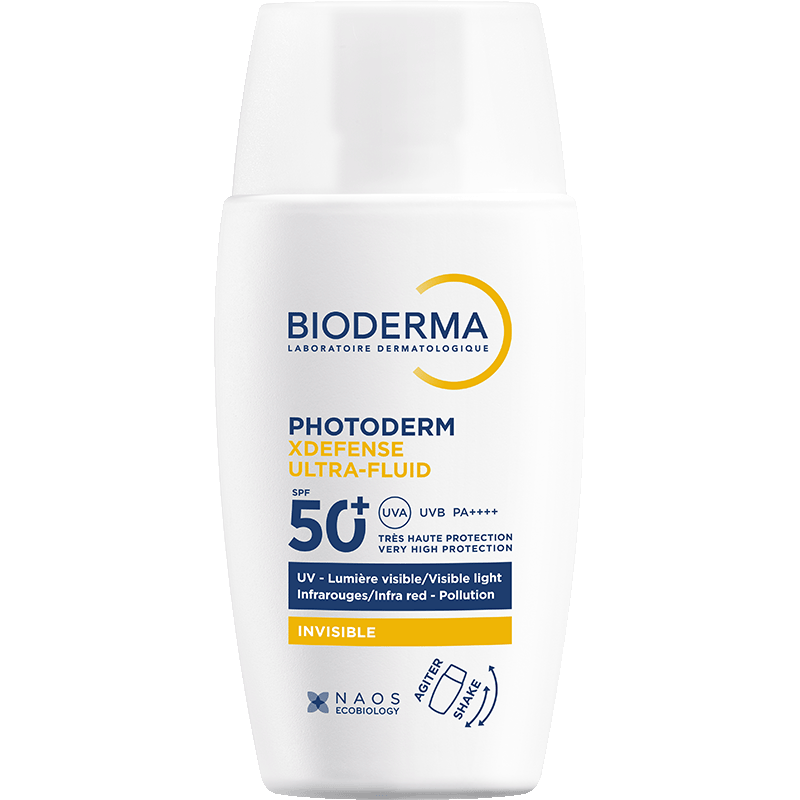
Beyond covering up, you also need to protect your skin from UV rays, to limit the sun’s effects on combination to oily skin. A high SPF minimises hyperpigmentation and keeps skin supple. Sebum can evacuate to the skin’s surface and not stay inside the pilosebaceous follicle. And yet sunscreens are often skin irritants, with heavy, opaque and occlusive bases. Not great for combination to oily skin!


For a matte, even and protected complexion, the cherry on the cake is to find a sunscreen that respects combination to oily skin’s specific needs. One that provides high UV protection and allows skin to breathe. And depending on the severity of your blemishes, one that also either evens out skin tone, or provides full coverage.