REDUCE THE URGE TO SCRATCH BY 88% WITH OUR NEW ATODERM AD INTENSIVE BALM SHOP NOW

How to take care of eczema-prone skin?

Reading time : 4 min

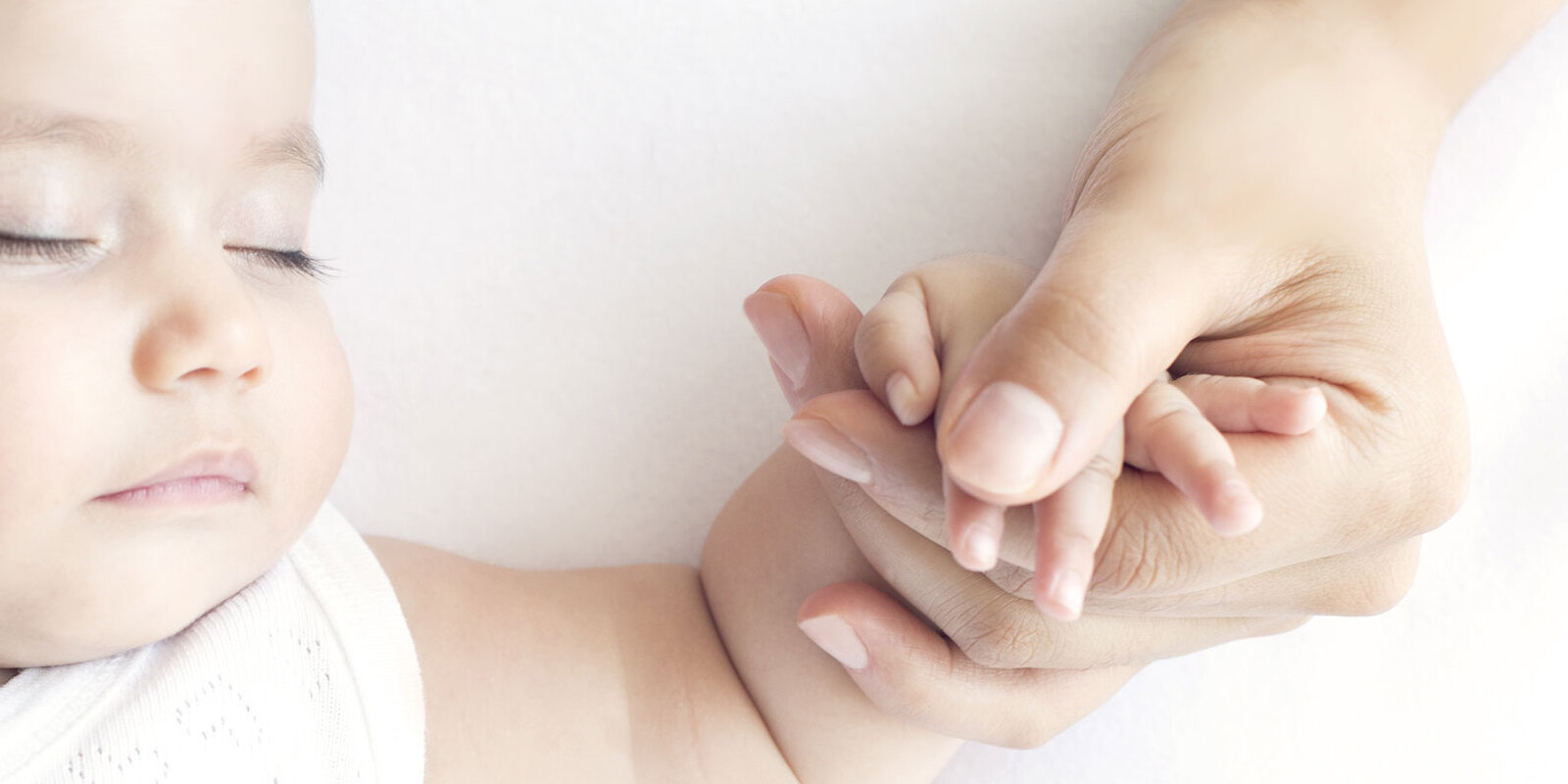
Baby hand


Everyone’s skin is unique and reacts differently. However, all dry and atopic skin has something in common: lipid deficiency and a lack of moisture, which can lead to skin irritation. Proper moisturizing is therefore critical to restore and soothe the skin.

Daily moisturising should become a habit for dry or eczema-prone skin; this is especially true considering that our skin becomes increasingly drier as we age. Parents of young children should teach them essential skin moisturising practices, which will be valuable to them throughout their lives.

Eczema-prone skin is essentially skin with holes. It’s permeable to the external environment, which is likely to cross through it. The skin can therefore be compared to a wall whose bricks are normal but whose cement is of poor quality due to a lack of proteins and fats.

Dr. Magali Bourrel-Bouttaz, Dermatologist - France

Add moisture to soothe skin irritation


Everyone’s skin is unique and reacts differently. However, all dry and eczema-prone skin has something in common: lipid deficiency and a lack of moisture. Proper moisturising is therefore critical to restore and soothe the skin. 


This result is skin cells that lack cohesion. The skin is no longer impermeable to external factors (allergens, bacteria, pollution including tobacco, etc.), and transepidermal water loss increases.


The immune system can also be overstimulated by allergens and irritants that enter through the “holes” of dry or atopic skin. It gets out of control and triggers eczema flare-ups that are difficult to treat.


To stop this chain reaction, action must be taken upstream by targeting the causes, not the consequences: moisturise, moisturise, moisturise!


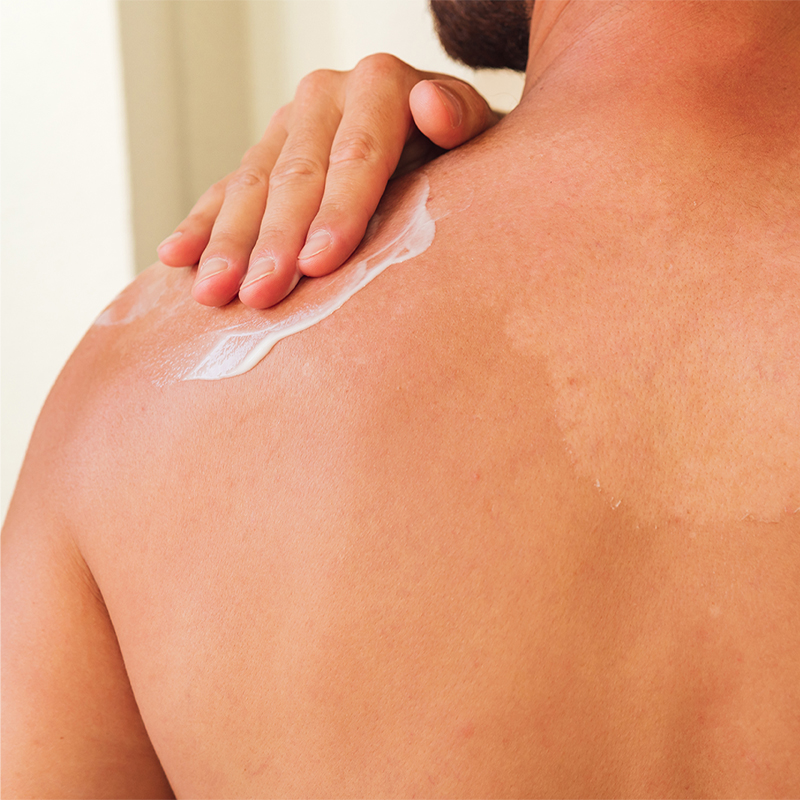
cream on the back

Treat your skin to the best moisturiser!


Regardless of age, dry or eczema-prone skin is a cause of concern and can become a real nightmare. Babies, children and adults experience cutaneous and psychological symptoms related to dry or atopic skin (redness, itching, eczema patches, etc.). Dr Magali Bourrel-Bouttaz stresses the fact that the impact of this disease should not be underestimated, even for young children: The idea that babies are too young to be treated is incorrect.


Just because the symptoms of atopy spontaneously disappear in 75% of cases doesn’t mean they shouldn’t be treated. This phenomenon is exacerbated in people over the age of 50, whose skin is even drier. 

Do you know your skin concern?

  • Analyze your skin

    Scan your skin and discover your personalized routine

    Try SkinObserver

From the age of three, children’s drawings can show disruptions in the construction of their identity due to eczema. This situation can be corrected, of course, but the greater the damage to their self-esteem, the longer it takes for them to recover. This means that the symptoms should be treated as early as possible.

Dr. Magali Bourrel-Bouttaz, Dermatologist - France


Moisturising the skin isn't magic: it's simple science


A simple, consistent daily cleansing and care routine is necessary to respect and protect the skin.


Two are better than one when it comes to moisturising your dry skin


A gentle cleanser combined with a protective moisturiser will be your allies for protected, soothed skin. This winning duo will leave your skin moisturised and comfortable.


A gentle soap-free cleanser 


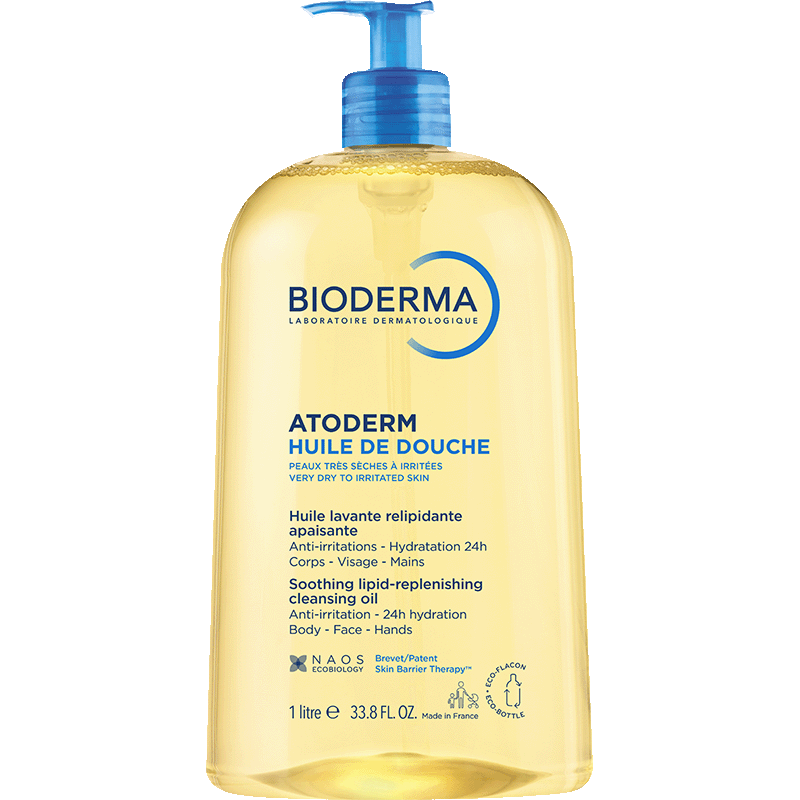
The role of soap is to eliminate fatty substances from your skin, whether they are natural or of external origin. With dry and eczema-prone skin, this lipid protection needs to be preserved to limit irritation. Therefore, you should never use soaps, even if they are organic or natural. Instead, you should choose a gentle soap-free cleanser such as a shower oil that will not aggressively strip the skin of its lipids but will reduce water evaporation from the skin. 


Additional moisturising product


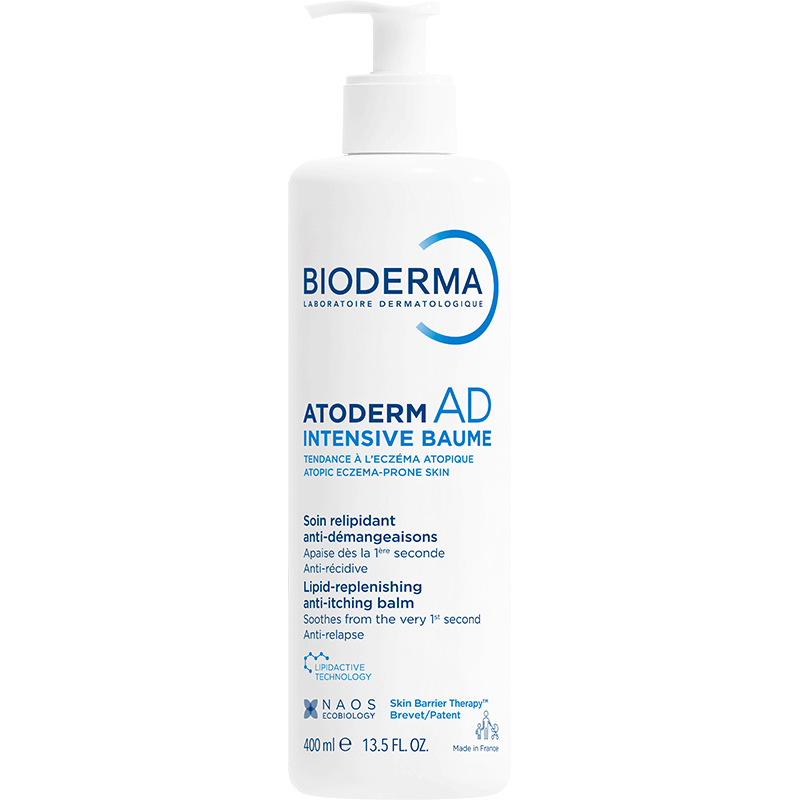
Hydrating products moisturise the epidermis while reducing water loss from the skin. Some of the components in moisturisers help reactivate the synthesis of the skin’s natural lipids. The skin barrier is thus restructured from within. Its physiological properties are active once again: protection against harsh external factors and reduction of water evaporation from the skin3,4. 

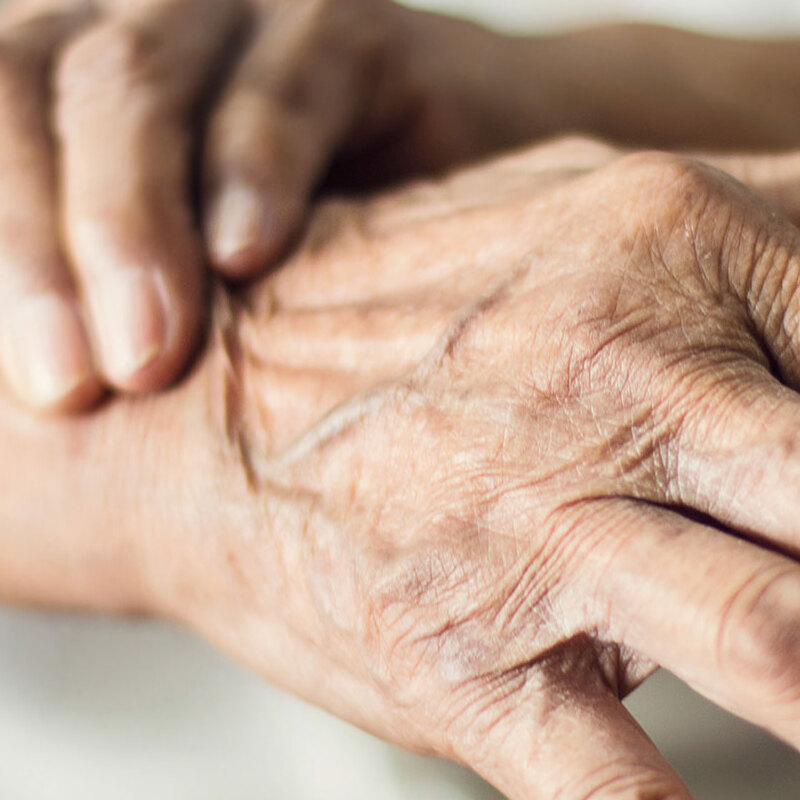
old hands


You can never be too young or old to moisturise


Skin over the age of 50 is often dry, rough and flaky. Sometimes it is cracked, with intense itching. This condition is known as senile xerosis, a medical term that means skin dryness caused by aging. This dryness is natural and worsens over the years. 

As soon as the first signs appear, it is important to establish a preventive and moisturizing routine to care for your mature skin. Don’t let your skin ruin your life. Establish a daily “well-being” routine and choose the very best for your skin:

  1. A  gentle soap-free cleanser
  2. A moisturiser

After the age of 50, you don’t want to use soap or a stripping cleansing solution that would further dry out your skin. To treat skin dryness, you need to apply a larger amount of moisturiser. Food supplements containing omega-3 and -6 fatty acids are also beneficial and can promote healthy skin.


Dr. Magali Bourrel-Bouttaz, Dermatologist - France.


Don’t feel helpless if you have dry and eczema-prone skin. From an early age and throughout your life, a simple skin routine will help you take back control over your dry or eczema-prone. Gently cleanse your skin without soap to avoid irritation and then protect your cleansed skin with a large dose of moisturiser.


DISCOVER ATODERM RANGE