

REDUCE THE URGE TO SCRATCH BY 88% WITH OUR NEW ATODERM AD INTENSIVE BALM SHOP NOW

Non-Comedogenic Sunscreen: How to Protect Your Skin Without Causing Breakouts

Reading time : 4 min

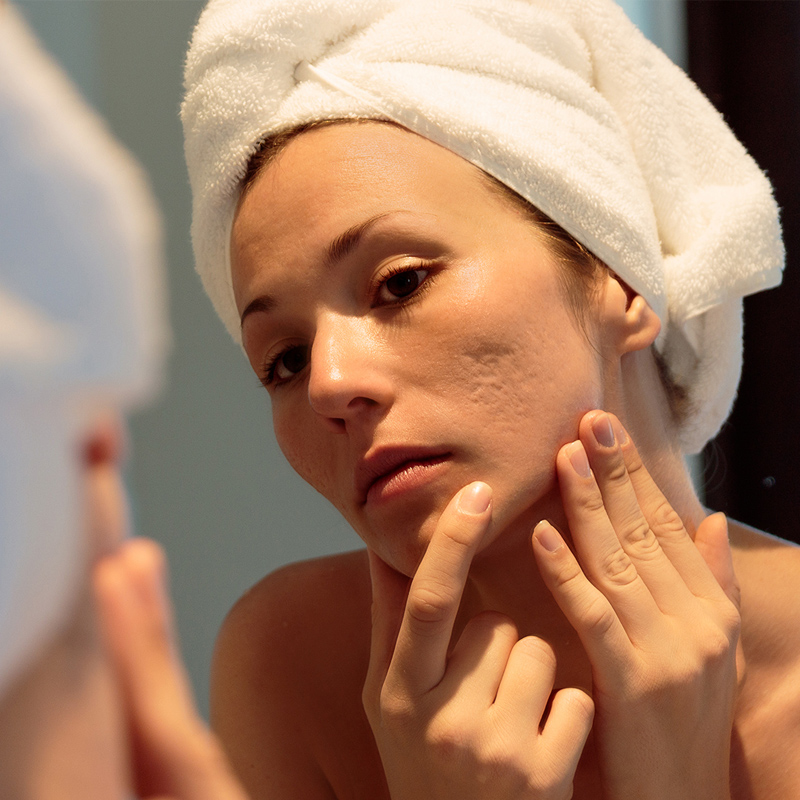
woman with atopic skin

What is a non-comedogenic sunscreen?


A non-comedogenic sunscreen, also known as a non-pore-clogging sunscreen, is specially formulated to protect the skin from UV damage without clogging pores.


When pores become clogged with excess oil, dead skin cells and impurities, this can contribute to:


  • blackheads

  • whiteheads

  • inflammatory acne


Even if you have acne-prone skin, sunscreen remains an essential part of your daily skincare routine. It helps protect the skin from UV damage and the long-term effects of sun exposure, without compromising your skin's needs

woman applying cream

Why traditional sunscreen can cause breakouts


Not all sunscreens are adapted to acne-prone skin.


Some formulas contain heavy or occlusive ingredients that can:


  • trap sebum and bacteria

  • increase congestion

  • contribute to breakouts


In addition, studies show that cosmetic products containing comedogenic ingredients may contribute to an increase acne ⁵. 

Who should use a non-comedogenic sunscreen?


Non-comedogenic sunscreen is recommended for:


  • oily skin

  • acne-prone skin

  • combination skin

  • sensitive skin


Acne is extremely common. In the UK, it can affect up to 95% of teenagers³ when self-managed cases are included. 

woman applying cream

Does non-comedogenic sunscreen actually help with acne?


Yes — when chosen correctly.


Research suggests that switching to non-comedogenic formulas can reduce breakouts:


  • acne blemishes may decrease by 20–30% after 12 weeks¹


This is because these sunscreens:


  • avoid pore-clogging ingredients

  • reduce inflammation triggers

  • maintain skin balance


It’s not sunscreen itself that causes acne — it’s the formulation.

How to choose the best non-comedogenic sunscreen

suncreen

Avoid pore-clogging ingredients


Even if a sunscreen is labelled non-comedogenic, its ingredient list still matters.

Some ingredients are rated on a comedogenic scale from 0 to 5⁴, where:


  • 0 = no risk of clogging pores

  • 5 = high risk of causing breakouts


Try to avoid ingredients with higher scores, such as:


  • heavy oils and waxes

  • rich occlusive agents that trap sebum

  • overly thick textures that build up on the skin


Choosing low-comedogenic formulas helps ensure your sunscreen protects the skin without increasing congestion or triggering breakouts.

suncreen


Select skin-friendly ingredients


Choosing a non-comedogenic sunscreen also means looking for ingredients that support acne-prone skin.


Prefer formulas with:


  • Niacinamide: helps regulate sebum, soothe inflammation and refine pores

  • Zinc oxide: offers broad protection while calming sensitive skin

  • Silica or mattifying powders: reduce shine without clogging pores

  • Low-dose salicylic acid: helps keep pores clear

  • Antioxidants (vitamin E, ectoin): protect against external stress that can worsen breakouts


The right sunscreen should not only protect — it should also help maintain clearer, balanced skin.

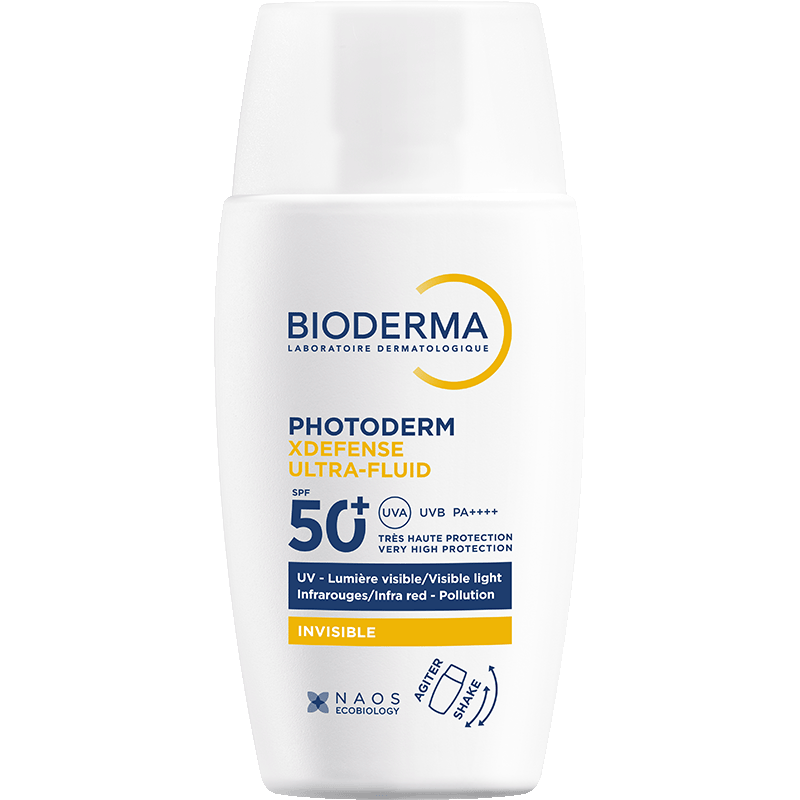
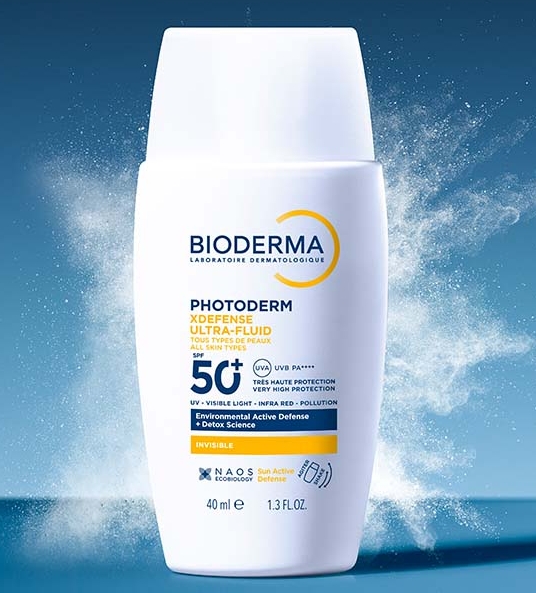
Photoderm XDEFENSE ULTRA-FLUI SPF50+

Choose lightweight textures


Texture plays a key role in whether a sunscreen feels comfortable and stays non pore clogging.


Look for formulas that are:


  • fluid or ultra-light: spread easily without leaving residue

  • gel or water-based: ideal for oily and acne-prone skin

  • quick-absorbing: minimise buildup on the skin surface


Heavier creams are more likely to trap oil and sweat, while lightweight textures help the skin stay breathable, balanced and shine-free throughout the day.

How to use sunscreen without clogging pores


Using sunscreen correctly is just as important as choosing the right formula. Poor application habits can lead to product buildup, which may contribute to congestion and breakouts.


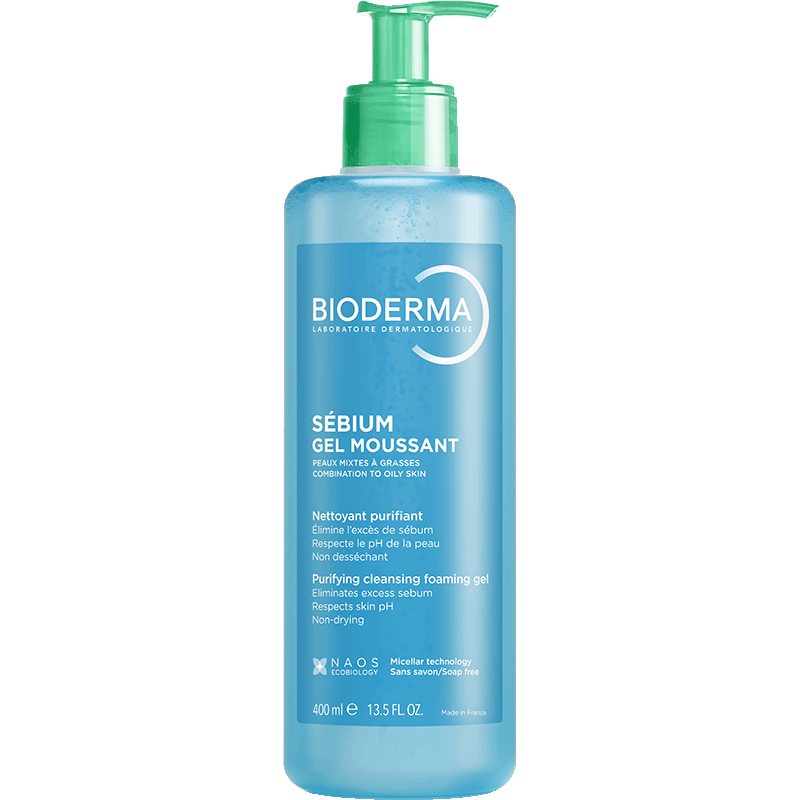
Always start with freshly cleansed skin to remove excess sebum, sweat and impurities.


Applying sunscreen on unclean skin can trap these elements under the product, increasing the risk of clogged pores. A clean base helps the formula spread evenly and stay lightweight throughout the day.


Using too little reduces protection, while using too much without blending properly can lead to buildup.


Aim for an even layer across the face, ensuring full coverage without overloading the skin. The goal is to balance effective protection with a breathable finish.


Sunscreen, especially when combined with pollution and excess oil, can accumulate on the skin over time.


Proper evening cleansing helps remove all residues and prevents them from settling into pores overnight. This step is essential to limit congestion and maintain clearer skin.



Reapplying sunscreen is key to maintaining protection, but layering too much product can weigh the skin down.


Reapply every two hours during sun exposure using thin, even layers. This helps maintain protection while keeping the skin comfortable, lightweight and less prone to breakouts.


Why sunscreen is essential — even for acne-prone skin


Sunscreen is critical for long-term skin health.


Daily use can:

  • reduce squamous cell carcinoma risk by ~40%

  • reduce melanoma risk by ~50%²


It also helps:

  • prevent post-acne marks

  • reduce inflammation

  • protect the skin barrier

Scientific references


1 – Non-comedogenic sunscreen and acne reduction 
https://theglossylocks.com/non-comedogenic-sunscreen-for-face/


2 – The Skin Cancer Foundation – Sunscreen and skin cancer prevention 
https://www.skincancer.org/skin-cancer-prevention/sun-protection/sunscreen/


3 – British Association of Dermatologists – Acne in the UK 
https://www.bad.org.uk/diagnosis-of-acne-on-the-rise-in-the-uk-and-globally-since-1990


4 – Comedogenic scale explained (0 to 5 rating system) 
https://www.scanskinai.com/cosmetic-ingredient-checker


5 – Cosmetic use and acne risk (clinical study) 
https://pmc.ncbi.nlm.nih.gov/articles/PMC12323874/


*Clinical study under dermatological control, on 31 subjects after immediate application, for 7 days, self-grading


**Clinical study on 22 subjects, twelve hours after a single application