REDUCE THE URGE TO SCRATCH BY 88% WITH OUR NEW ATODERM AD INTENSIVE BALM SHOP NOW

How to Massage Scarred Skin Safely to Improve Healing and Reduce Tightness

Reading time : 2 min

Scars on skin

Your healthcare professional may have mentioned that massaging a scar with a repairing cream promotes epidermal reconstruction and improves the final appearance of your scar. Discover our tips to massage your healing skin.


Why massage your scar?


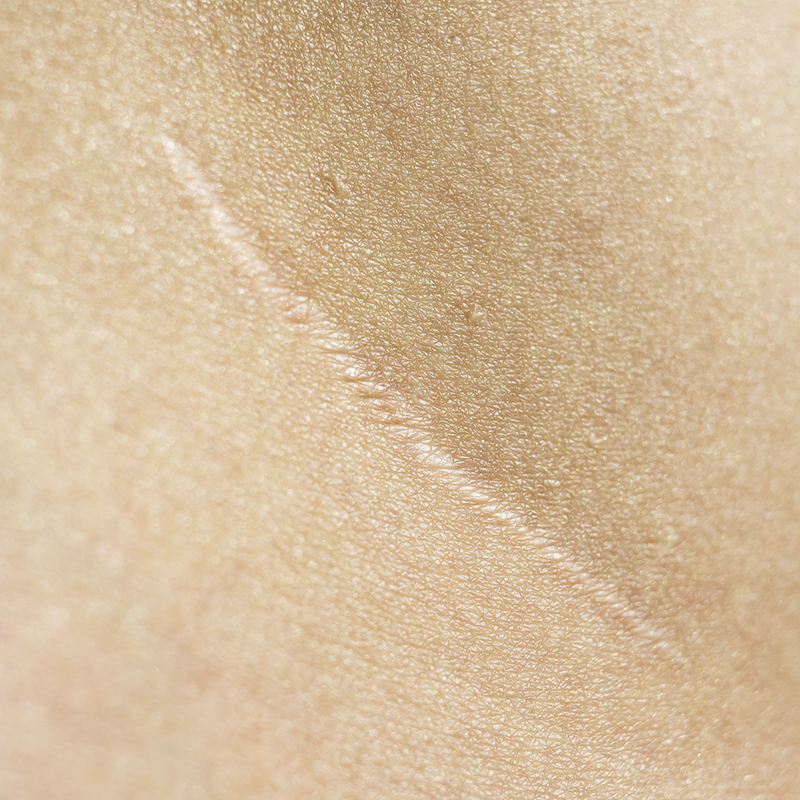
Massaging a scar helps to reduce the formation of adhesions. What are adhesions? They are fibrous bands of tissue connecting the scar to an underlying bone or organ. They can cause sensations of tightness and, if the scar is near a joint, impede mobility. Massaging healing skin makes it possible to soften the skin and limit this phenomenon. Discover more advice to take care of your damaged skin.
Scars massage

When should you start massaging a scar?


You should generally wait around 3 weeks after surgery before thinking about massaging your scar. This period allows the skin to heal and close. Your doctor will let you know when you can begin massages. If necessary, they can refer you to a physiotherapist.  


Before massaging your scar, be sure that: 


  •  The wound is closed.
 
  • The healing skin is not infected: no inflammation, no oozing scab. 


DISCOVER CICABIO RANGE TO MASSAGE YOUR SCAR


Scar massage to reduce adhesion

What is the vitro-pressure test?


The vitro-pressure test is a test that gives you an indication of how mature a scar is and whether you can proceed with massaging.  

The test is simple: just press on the scar with your finger for a few seconds.


  • If the colour returns to the skin in more than 3 seconds: you can massage your scar.
 
  • If the colour returns to the skin in less than 3 seconds: it is still too early to start massaging. 


Caution! The vitro-pressure test does not, under any circumstances, replace the advice of a healthcare professional. Only they can decide whether your scar can be massaged. 

Scar massaging technique


To be effective, you should massage your scarring skin one to two times a day, for five to ten minutes, using a topical repairing cream. 


Before massaging your scar: 

  • Wash your hands 
 
  • Cleanse the scarred area gently and pat dry 
 
  • Sit in a position where you can comfortably access the area to be massaged

The 3 steps of scar self-massage techniques


  1. Flat hand massage 
    Massage flat with the whole hand in the direction of the scar.


  2. Massage by local friction
    Using your fingertips, make small circular movements on the scar. 


  3. Palpate and roll massage
    Grab folds of skin between your thumb and forefinger and slide your fingers along the scar. 


Did you know?


The massage may be uncomfortable, but it should never be unbearable. Should this be the case, reduce the pressure on the scar or the duration of the massage. Keep in mind that both the pain and the itching of the scar will decrease as the days pass. 

Do you want to know more about CICABIO products composition?

  • Decode our products composition

    Discover the nature & role of our ingredients

    Go to AskNAOS

Can all scars be massaged?


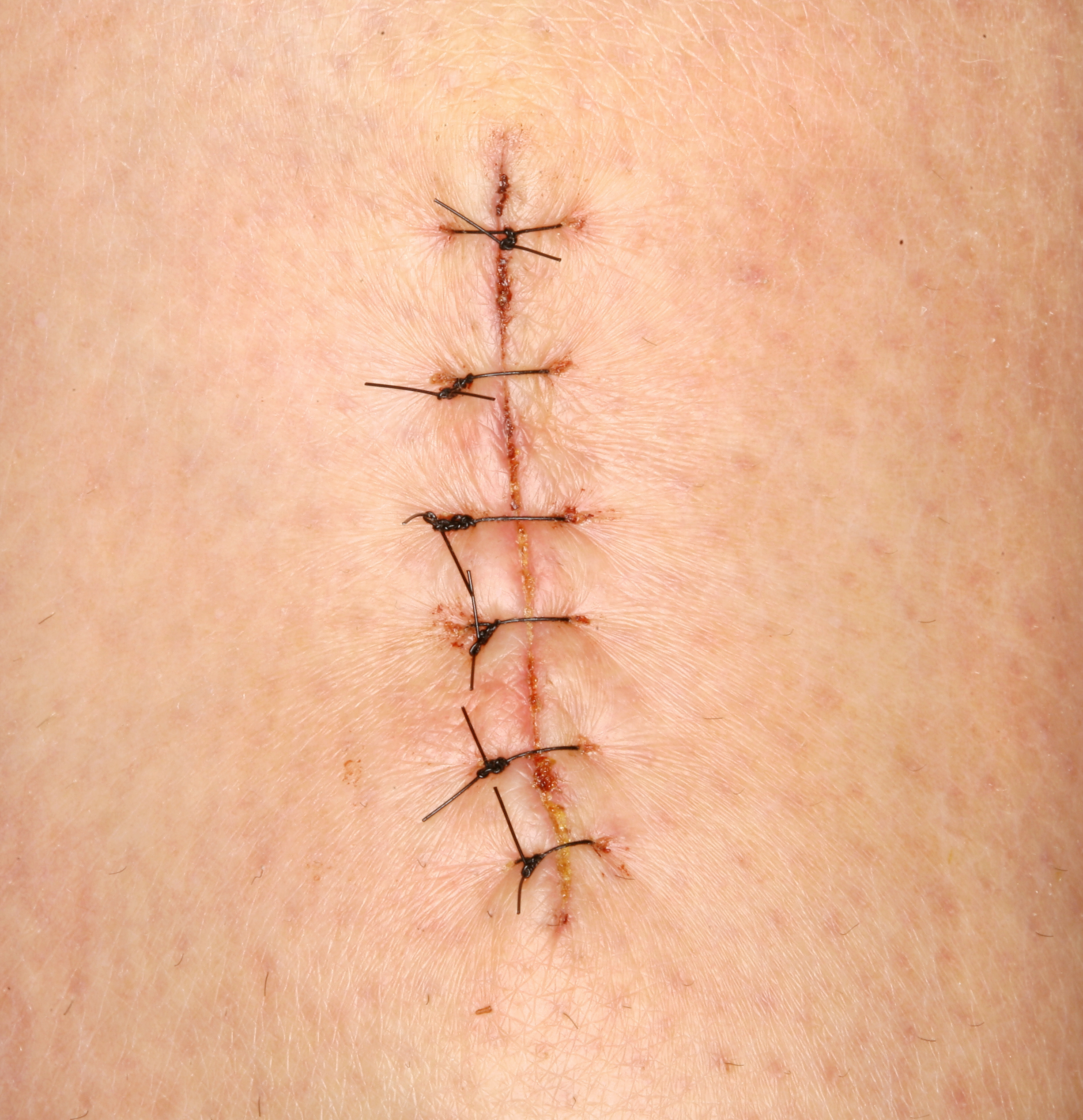
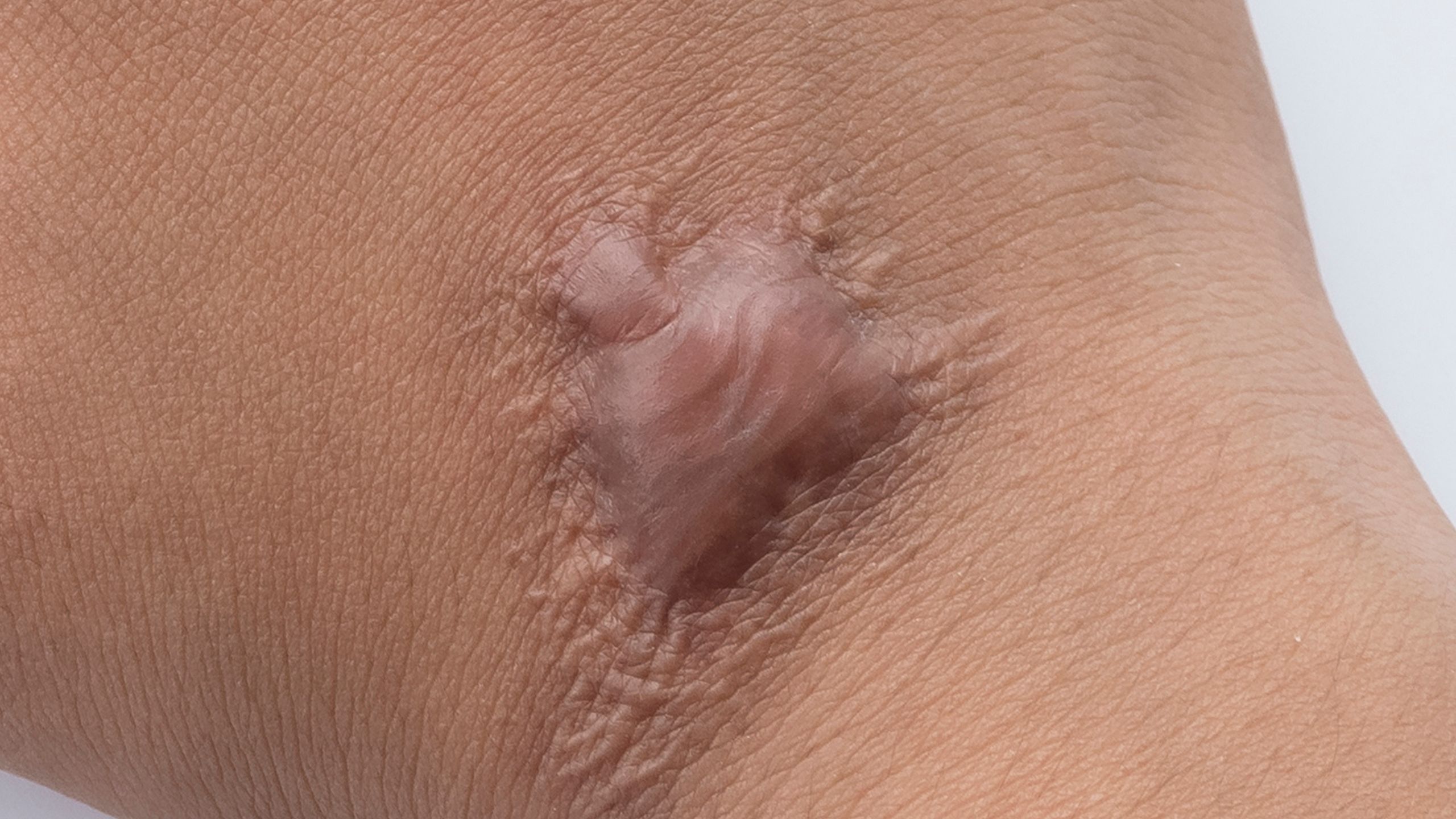
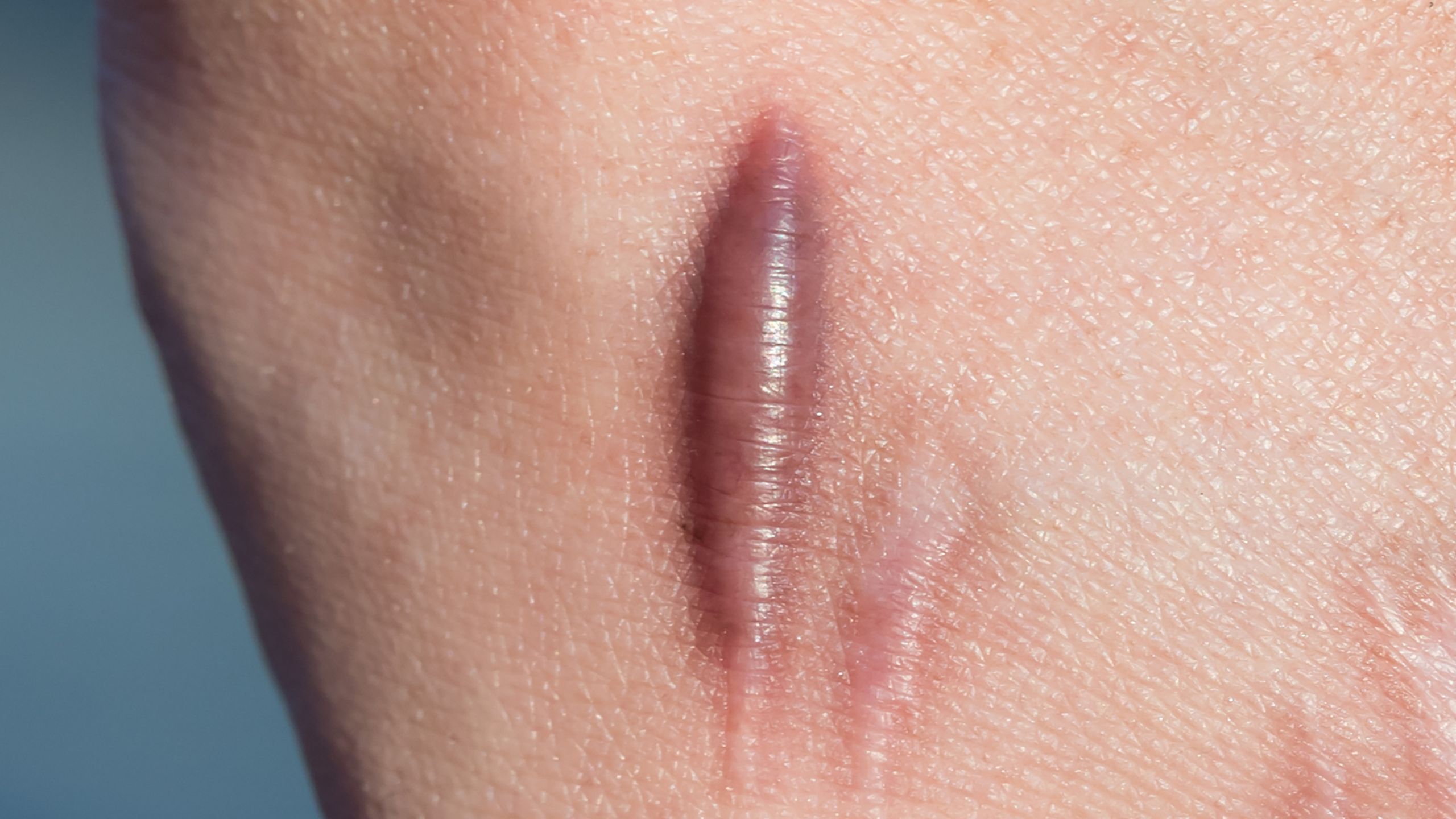
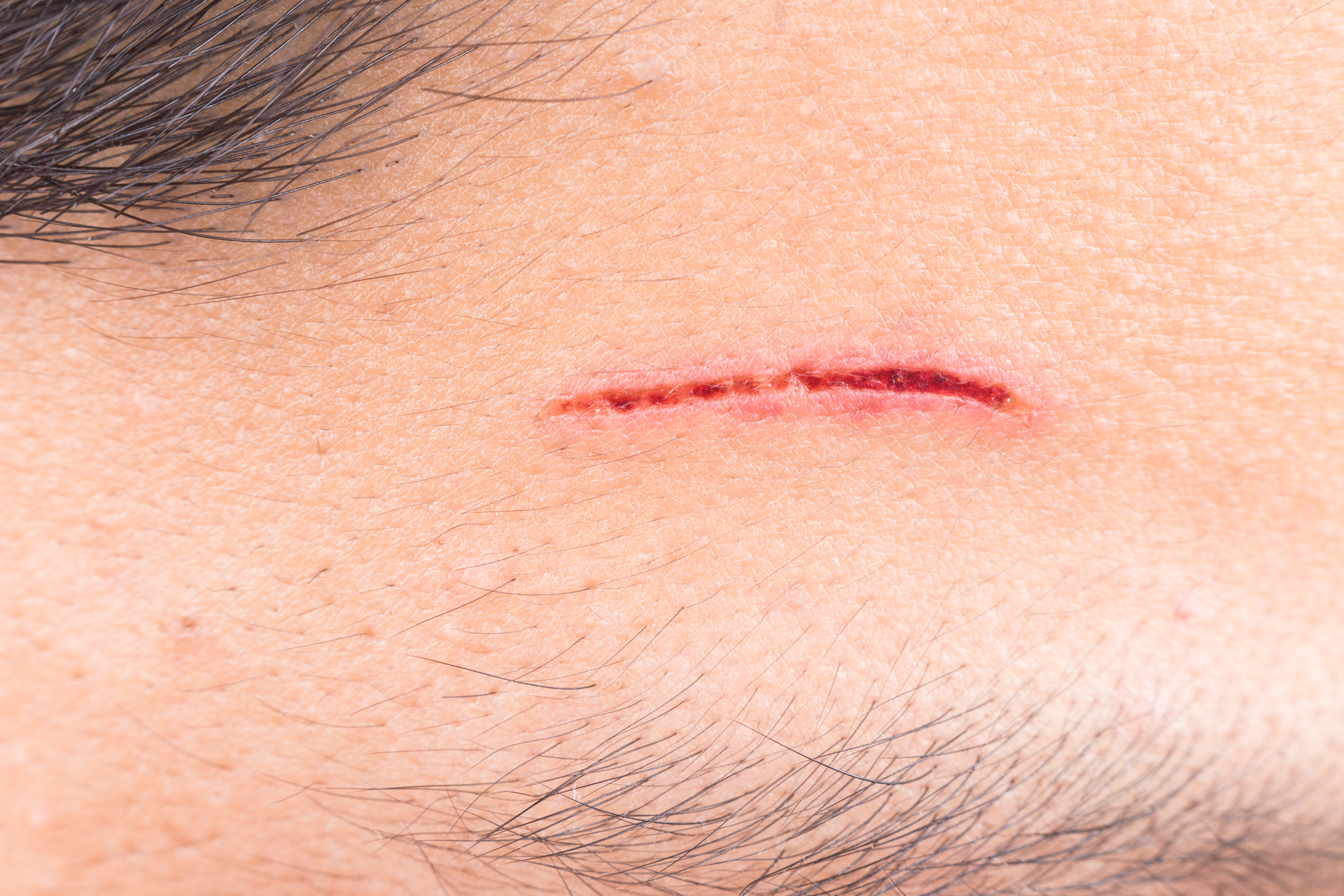
Sutured, keloid, hypertrophic and inflammatory scars can't be massaged. 


If you are not sure what type of scar you have, ask the advice of a healthcare professional.   


Structures scar

No, this scar cannot be massaged.


Keloid car

No, this scar cannot be massaged.


Hypertrophic scar

No, this scar cannot be massaged.


Inflammatory scar

No, this scar cannot be massaged.