



REDUCE THE URGE TO SCRATCH BY 88% WITH OUR NEW ATODERM AD INTENSIVE BALM

SHOP NOW

Understanding the Relationship Between Eczema and Allergies

Reading time : 6 min

Model visual


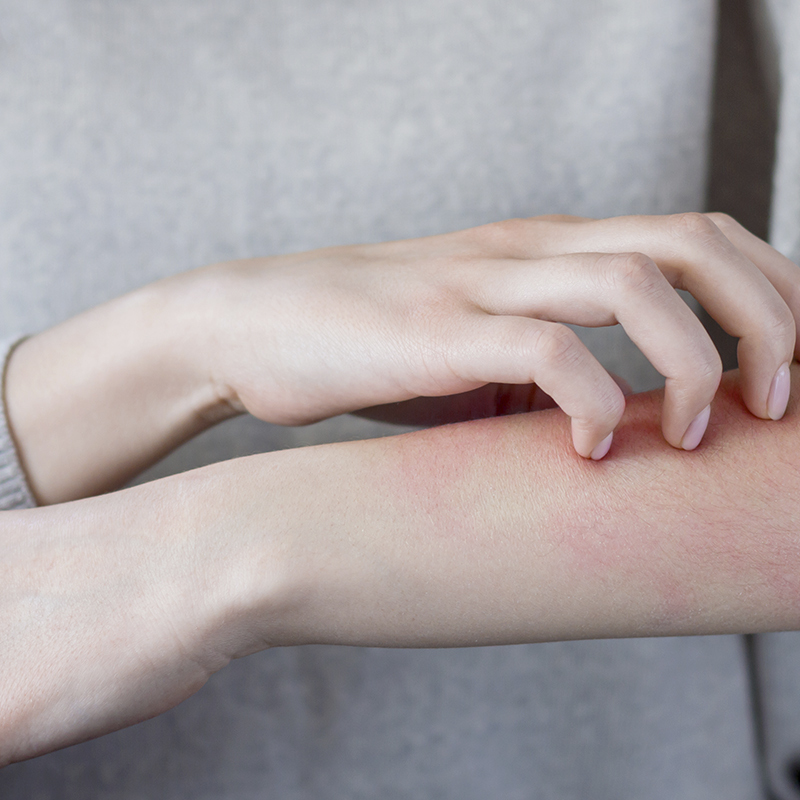
Eczema can be confusing - especially when symptoms look a lot like allergic reactions. Redness, itching, dryness, inflammation: these signs overlap, making it difficult to know what’s really happening in your skin. Many people wonder: Is my eczema caused by allergies? Should I get allergy testing? How do I know the difference?

This guide breaks everything down in a clear, structured way to help you understand the connection between eczema, allergens, and when an allergy assessment is actually useful.


Key takeaways from this guide

  • Eczema is a chronic inflammatory skin condition, not an allergy.

  • Allergies can worsen flare‑ups, especially in moderate to severe atopic dermatitis.

  • A positive allergy test shows sensitisation, not necessarily a true allergy. 

  • Allergy testing is not routine and is useful only in well‑selected cases.

  • Skin barrier repair and trigger management are the foundation of long‑term eczema control.
What’s the difference between atopic eczema and allergic contact eczema?


Two similar skin manifestations… with different origins


Both eczema and allergic skin reactions trigger irritation, itching, and redness. However, the root causes differs.


Atopic Dermatitis (Eczema)


Atopic dermatitis is:

  • A chronic, long‑term condition

  • Triggered by genetics, environment, immune dysregulation and a weakened skin barrier

  • Often unpredictable, with flare‑ups that come and go

  • Worsened by sweat, stress, dry air and temperature shifts


Atopic dermatitis affects up to 20% of children and 2% of adults worldwide¹


Allergic contact dermatitis


Allergic contact dermatitis occurs when the skin reacts to a specific allergen, such as:

  • Nickel

  • Perfumes

  • Preservatives

  • Latex

  • Cosmetic ingredients


This type is:

  • Localised

  • Non‑chronic

  • Quick to improve once the allergen is removed


Although related, eczema is not simply an allergic reaction² though in some people, allergies play a significant role in flare‑ups.


The connection between eczema and allergies


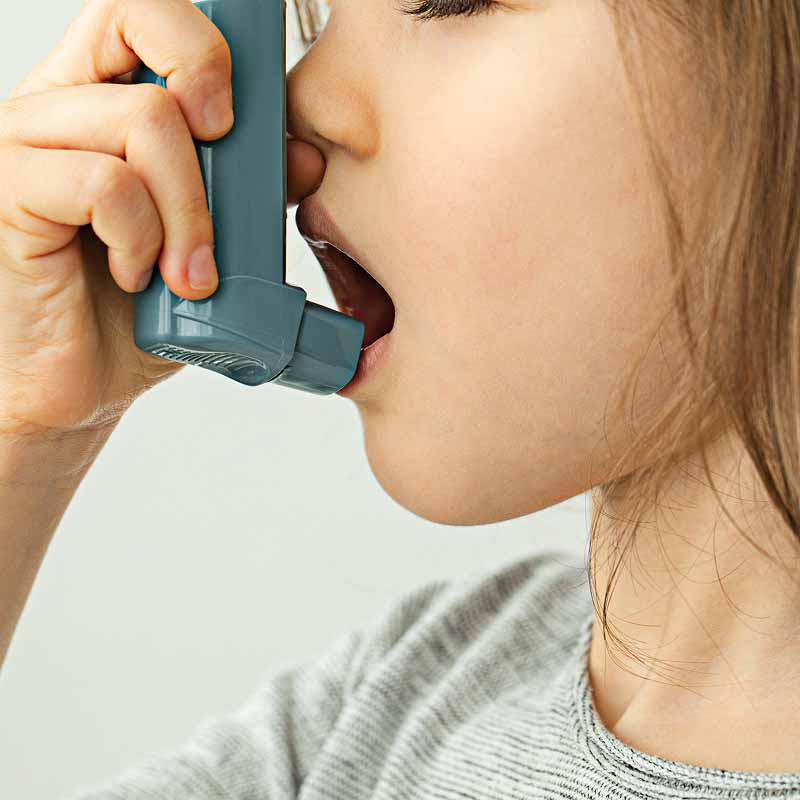
asthma

A frequent overlap - But not One‑Size‑Fits‑All


While eczema itself isn’t an allergy, individuals with atopic dermatitis often have increased sensitivity to allergens and a higher likelihood of developing other atopic conditions.

To understand the strength of this relationship, several key statistics highlight how closely eczema and allergies are intertwined:

  • Up to 80% of children with eczema later develop hay fever or asthma. 

  • 35% of adults with asthma had eczema in childhood, showing a long-term link between the two conditions.

  • 35% of children with moderate to severe eczema also have a food allergy, making allergy management particularly relevant for this group³.

These numbers show why eczema is often part of what specialists call the “atopic march”⁴ where early‑life eczema is followed by allergic rhinitis, food allergies, and asthma as a child grows.


Allergens that may worsen eczema such as:


Environmental allergens
  • Dust mites

  • Pet

  • Pollen

  • Mold


Food allergens
  • Peanuts

  • Cow’s milk

  • Eggs

  • Tree nuts

  • Fish

  • Certain fruits


Contact allergens
  • Nickel

  • Fragrances

  • Lanolin

  • Surfactants found in shampoos and cleansers


Important: Allergens do not cause eczema, but in sensitive individuals they can trigger or intensify existing inflammation.


Pr Nicolas

Eczema starts with an impaired skin barrier that allows environmental factors such as dust mites, pollution or pollen - to penetrate fragile skin. These “invaders” trigger an immune response, fueling inflammation, intensifying itching and leading to flare-ups.

Professor Jean-François Nicolas, Dermatologist & eczema expert


Identifying your personal eczema triggers


woman with dry skin
Why identifying triggers matters


Eczema is highly individual. Two people with identical symptoms may have completely different triggers. Understanding your own profile helps you:


  • Reduce flare frequency

  • Improve comfort

  • Personalise your skincare


Common types of eczema triggers


Irritants
  • Soaps

  • Detergents

  • Fragrances

  • Household cleaners


Environmental Conditions
  • Pollution

  • Cold or hot weather

  • Low humidity

  • Sudden temperature changes


Stress & Infection
  • Emotional tension

  • Viral illnesses

  • Fatigue


Clothing & Materials
  • Wool

  • Rough fabrics

  • Synthetic fibers


The two skincare products we recommend for eczema relief

Managing eczema effectively requires a combination of barrier repair, trigger avoidance, and smart product choices. While no single product can “cure” eczema, choosing clinically proven formulas can significantly reduce itching, inflammation, and flare frequency. Here are the two products we recommend for long‑term comfort and healthier skin.


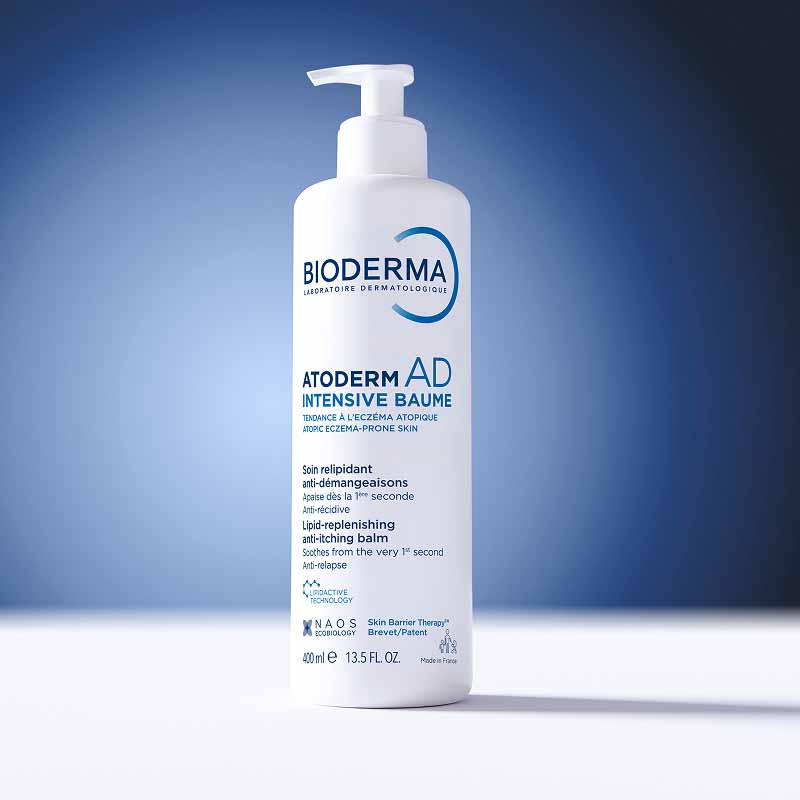
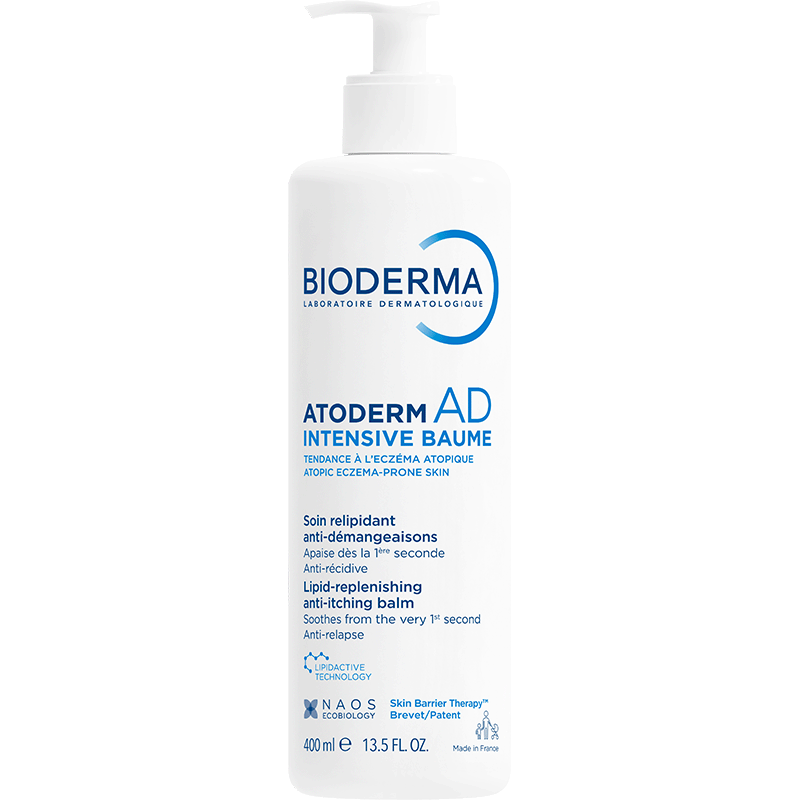
1. ATODERM AD INTENSIVE BALM: Long‑lasting barrier repair & anti‑itch relief


woman with dry skin

Why this product works


ATODERM AD INTENSIVE BALM is formulated specifically for eczema‑prone skin. It targets the root mechanisms of atopic dermatitis by:

  • Restoring essential lipids that are missing in eczema-prone skin⁶

  • Shield effect formula against triggering factors 

  • Reducing dehydration

  • Soothing inflammation and calming itch sensations

  • Bringing back comfort without leaving a greasy feel


Its rich yet fast‑absorbing texture makes it suitable for babies, children, and adults during both flare‑ups and maintenance phases.


What makes it stand out

  • Provides instant soothing from the very first second

  • Helps reduce itching intensity over time

  • Supports long‑term barrier rebuilding

  • Gentle formula for daily use from birth, even in association with medical treatment

  • Keeps away flare-ups

For many patients, a twice‑daily application becomes the cornerstone of their eczema routine.


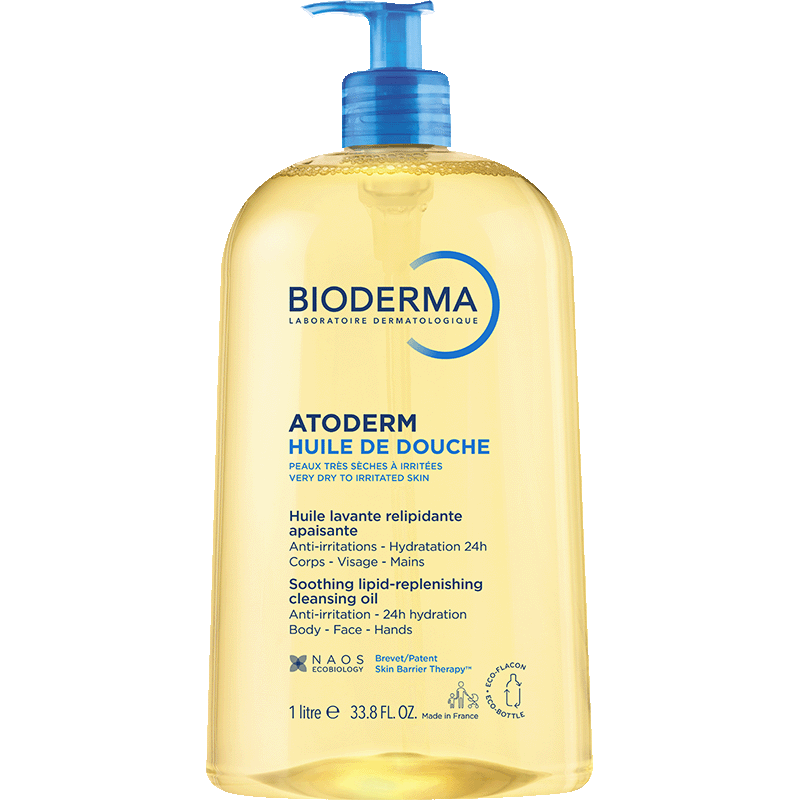
2. ATODERM SHOWER OIL: Hydration Starts in the Shower


woman with dry skin

Why this product is essential


Traditional soaps strip natural oils from the skin, worsening dryness and triggering flare‑ups. ATODERM SHOWER OIL is designed to cleanse without disturbing the skin barrier thanks to lipid replenishing, offering:

  • 24‑hour hydration after each shower

  • A satin‑soft finish that reduces tightness and irritation

  • Immediate soothing for dry, reactive, or eczema‑prone skin

It transforms bathing from a triggering step into a pleasure moment that supports barrier repair.


What makes it different

  • Lipid‑rich formula that nourishes while cleansing

  • Non‑foaming, non‑stripping texture

  • Ideal for all ages, including infants

  • Using this cleansing oil daily helps prevent the dryness cycle that fuels eczema flare‑ups.


Do you really need an allergy test?


Allergy testing is not routine for eczema


Allergy assessment is not automatically necessary for atopic dermatitis. 
It does not:

  • Diagnose eczema

  • Treat eczema directly

  • Prevent flare‑ups in most patients

Testing is helpful only in specific cases.


When should you consider an allergy assessment?


1. When eczema does not improve despite proper treatment


Persistent inflammation even with appropriate topical therapies may signal a hidden allergic factor.


2. When a child shows growth concerns


A faltering growth curve can indicate an underlying food allergy impacting nutrition.


3. When eczema appears with allergy‑related symptoms


Examples include:

  • Vomiting or diarrhea after eating certain foods

  • Hives or redness after contact

  • Asthma or persistent nasal congestion

  • Localised eczema suggesting contact allergy (lips, hands, feet, face)


The four main types of allergy tests


1. Skin prick tests (Immediate reaction testing)


How it works
  • A tiny amount of allergen is placed on the skin

  • The skin is lightly pricked

  • A reaction appears within 15–20 minutes


What it detects
  • Airborne allergens

  • Food allergens


Important note


A raised bump means sensitisation, not necessarily a true allergy.


2. Blood tests (Specific IgE Measurement)


Purpose

Measures IgE antibodies responding to specific allergens.


Usefulness

Helpful when prick tests cannot be done or need confirmation.


3. Oral food challenge (Hospital‑Supervised)


How it works

The patient consumes increasing doses of a suspected allergen under close supervision.


Why It’s important

It is the gold standard for diagnosing food allergies.


Safety

Must be performed in a hospital setting.


4. Patch tests (delayed reaction testing)


How it works
  • Standard allergens applied on the skin under occlusion for 48–72 hours

  • Used to identify contact allergies


Common allergens in atopic children
  • Nickel

  • MCI/MI preservatives

  • Cocamidopropyl betaine

Skin analysis


How to interpret allergy test results


Sensitisation ≠ Allergy


A positive result shows immune recognition, but not necessarily a true clinical allergy⁵.


What really confirms an allergy


You need:


  1. A positive test

  2. Exposure to the allergen

  3. Matching symptoms


Only when all three align does allergen avoidance improve eczema.


Conclusion


Eczema and allergies share a complex relationship.

While eczema isn’t caused by allergies, allergens can worsen flare‑ups in sensitive individuals.


Allergy testing shouldn’t be routine; it’s mainly needed when standard treatments fail or when symptoms strongly suggest an allergy.

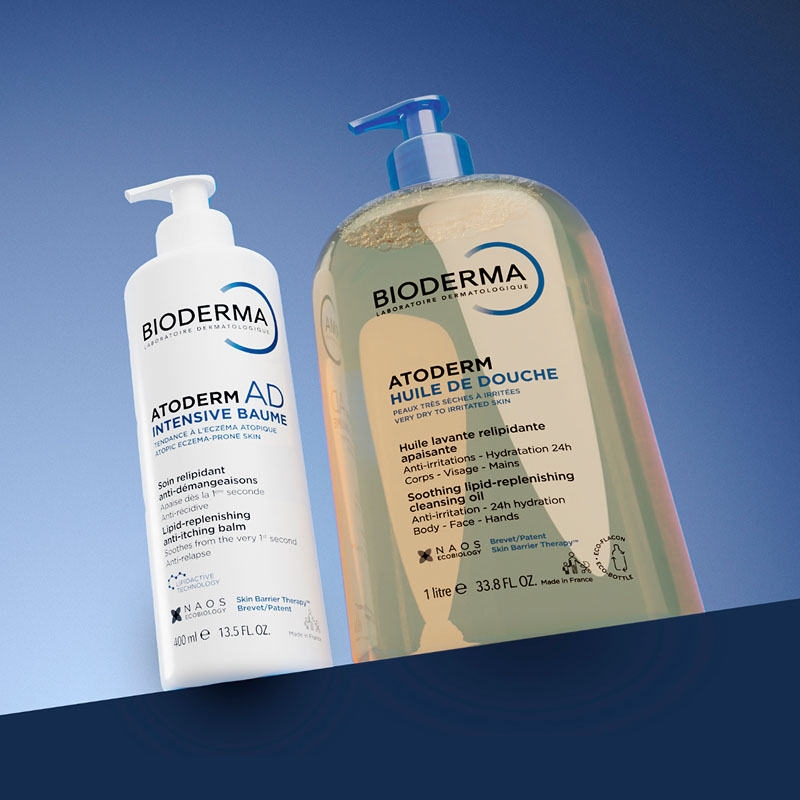
  • Combining high‑quality barrier‑repair products like ATODERM AD INTENSIVE BALM and ATODERM SHOWER OIL – formulated to provide a protective shield effect while rebuilding the skin barrier -  with personalised trigger identification offers one of the most effective approaches to managing eczema over the long term.


Scientific references


1 – Atopic dermatitis: global epidemiology and risk factors

https://pubmed.ncbi.nlm.nih.gov/25925336/


2 – National Eczema Association – What is eczema?

https://nationaleczema.org/eczema/


3 – American Academy of Pediatrics – Food allergies and Atopic dermatitis

https://www.aap.org/en/patient-care/allergic-march/food-allergies/


4 – National Eczema Association – The Atopic March: How eczema can lead to allergies and asthma

https://nationaleczema.org/blog/science-atopic-march/


5 – AAAAI – Allergy Testing Explained

https://www.aaaai.org/tools-for-the-public/conditions-library/allergies/allergy-testing


6- Biosignatures of defective sebaceous gland activity in sebum-rich and sebum-poor skin areas in adult atopic dermatitis. 

https://pubmed.ncbi.nlm.nih.gov/38532571/


Discover the daily cleansing & care products

for dry, very dry to eczema-prone skin