Rosacea is a chronic, multifactorial skin condition with a hereditary component. Once rarely discussed, it remains relatively unknown, and diagnosis can sometimes be challenging. Here are some tips to help you recognise its key symptoms and distinguish it from other skin conditions.
Sensitive skin
How to Recognise the Signs of Rosacea
Reading time : 5 min
What are the symptoms of rosacea?
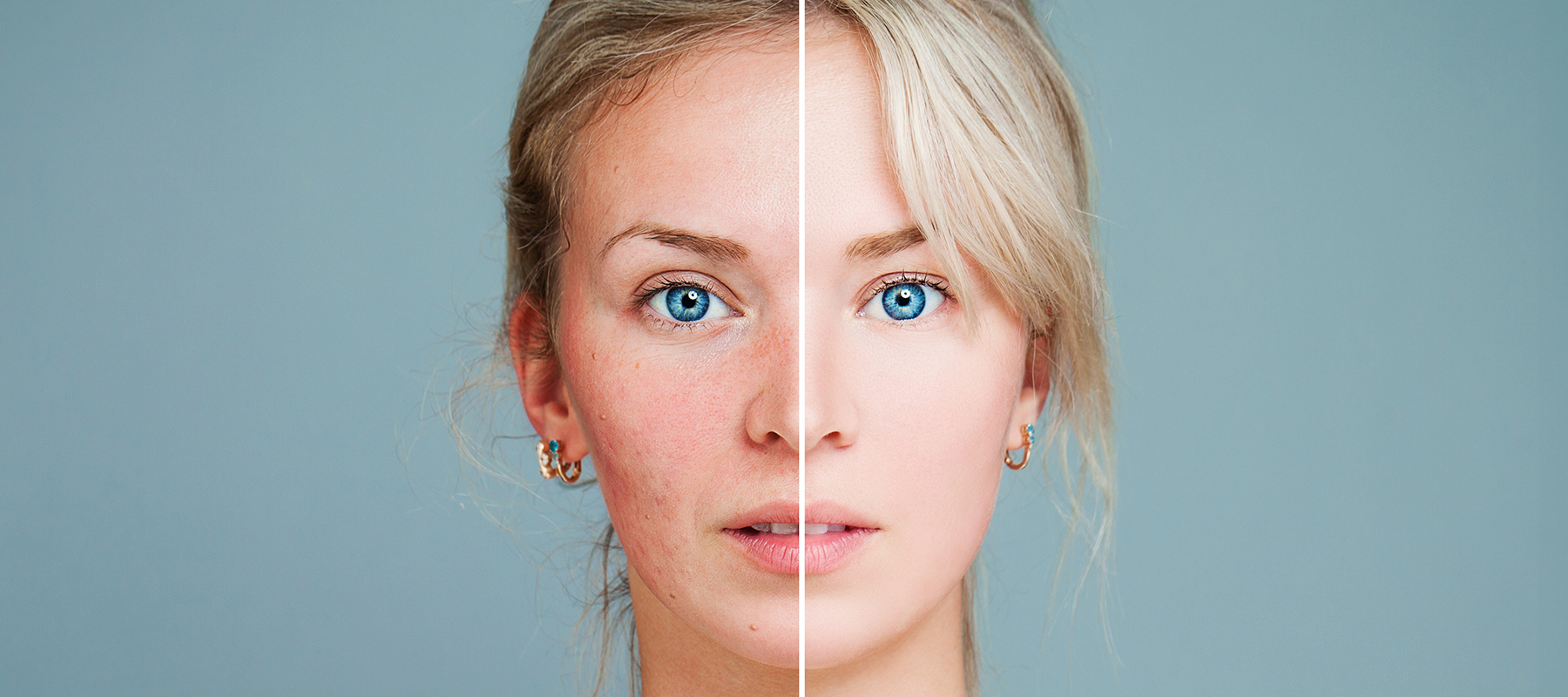
Rosacea primarily affects the central areas of the face, including the cheeks, forehead, chin and nose. Symptoms can appear alone or in combination, depending on the individual and the progression of the condition. Common signs include:
- transient (flushing) or persistent (erythema) redness,
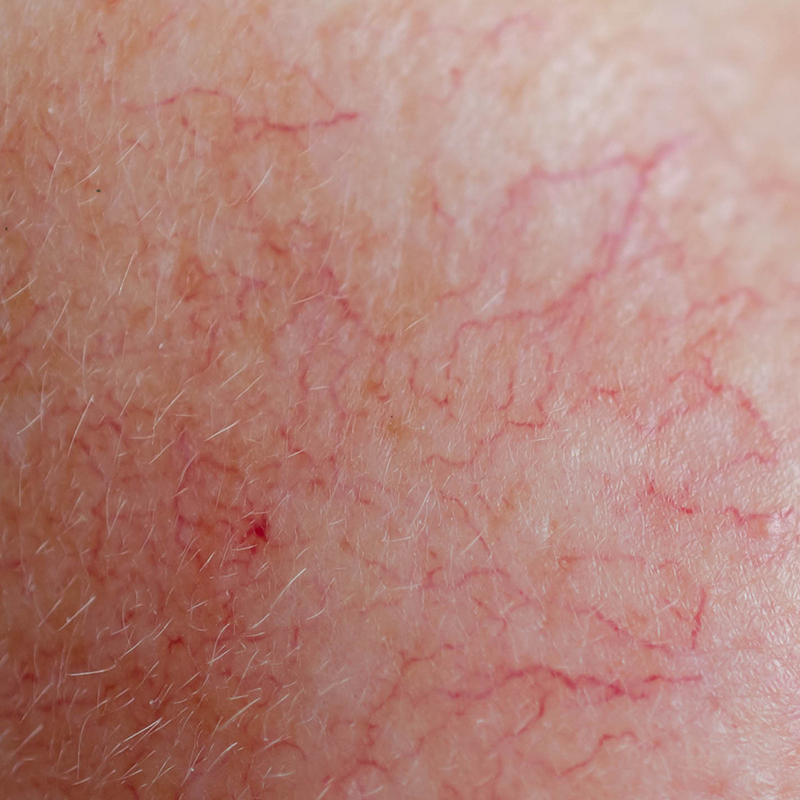
- visible small blood vessels (telangiectasias),
- Discomfort,including burning, tingling or pain.
In more severe cases, additional symptoms may occur:
- Ocular rosacea, causing eye dryness, inflammation, or visible blood vessels
- Acne-like spots
- Thickening of the skin on the nose, leading to redness and bulbous enlargement (rhinophyma)
Because rosacea affects the face, it can have a significant psychological impact, often affecting self-esteem and social confidence.
What causes rosacea?
Rosacea has multiple contributing factors, but certain triggers can provoke or worsen flare-ups. These triggers are often environmental and can vary from person to person. The most common include:
- Sun exposure
- Emotional stress
- Temperature changes
- Alcohol or hot drinks
- Spicy foods
- Intense physical activity
- Irritating cosmetic products
These aggressive factors can activate the skin, causing inflammation and dilation of blood vessels, which leads to the characteristic facial redness, flushing and discomfort associated with rosacea.
How to treat rosacea?
There is currently no cure for rosacea. Its management therefore depends on its clinical manifestations and their severity.
The first step is to try to identify your triggers and avoid them. Then, depending on the diagnosis, specialists generally suggest a combination of oral and topical (applied to the skin) medical treatments, technical procedures (laser, electrocoagulation) and even surgery to treat the thickening of the skin on the nose that forms unsightly bumps.
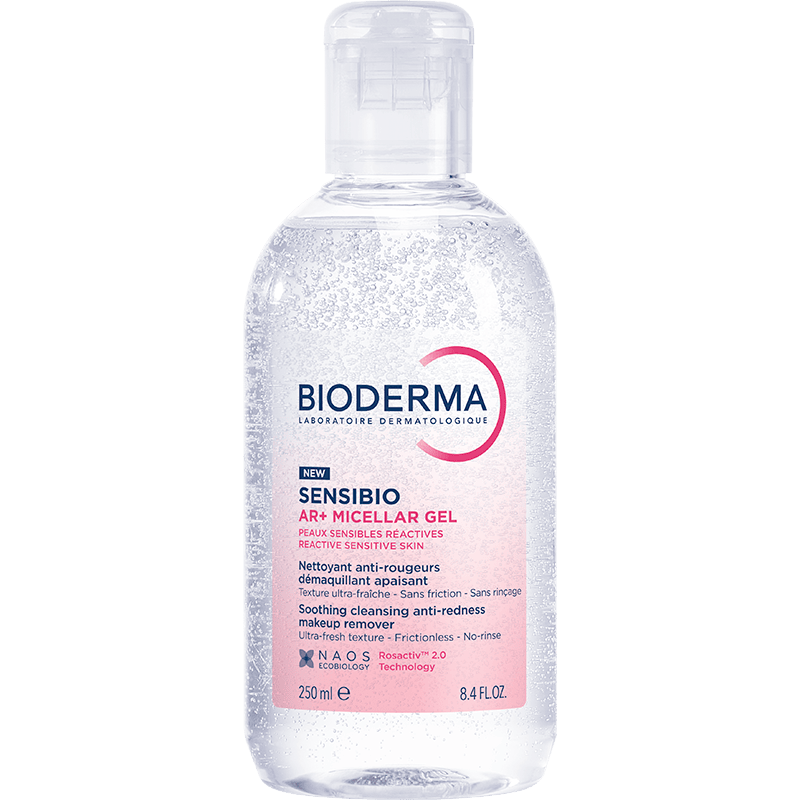
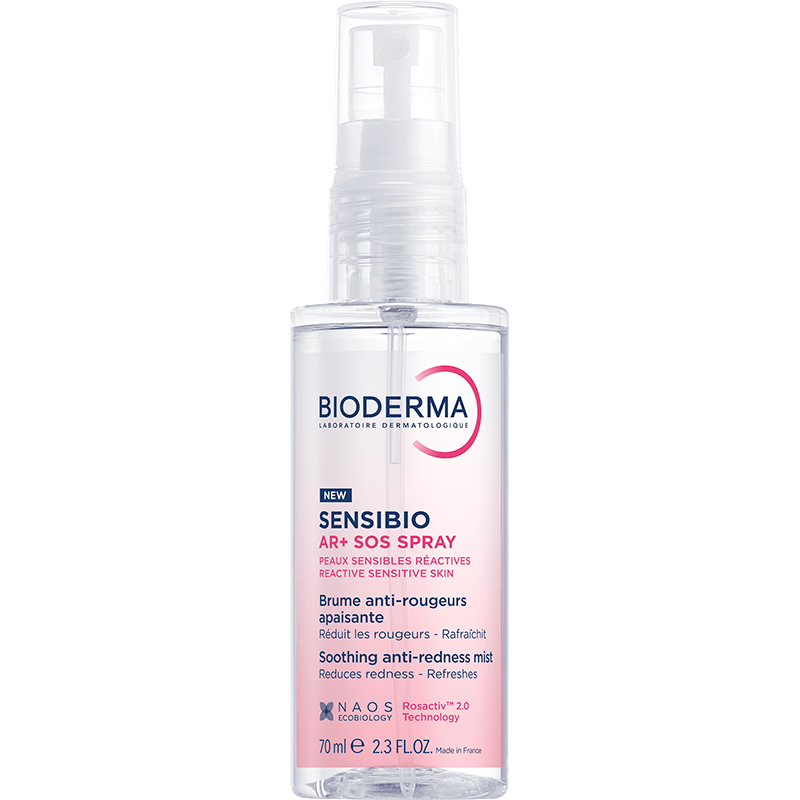
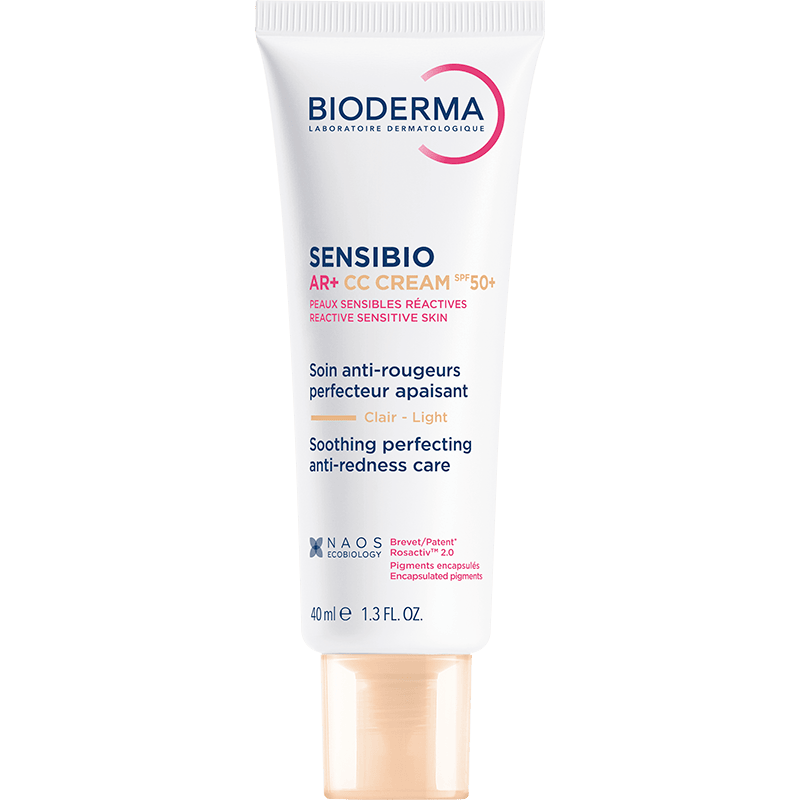
In addition to medical treatments and associated techniques, dermocosmetic care products have proven their efficacy in reducing the appearance of redness and relieving dryness, tightness, tingling, discomfort and pain. Skin made reactive by rosacea requires the use of gentle, skin-friendly products such as friction-free cleansers, skincare products with ultra-comfortable textures, and daily SPF50+ sun protection.
How can you tell if it’s really rosacea?
Diagnosing rosacea can be complex, it’s important to seek advice from a dermatologist. A professional diagnosis is based on the visible symptoms across the face, which may include:
- Persistent redness on the cheeks, nose, forehead or chin
- Thickened skin or enlarged pores, particularly on the nose
- Spots or pustules resembling acne
- Visible small blood vessels (known as telangiectasia)
- Ocular symptoms such as red eyes, conjunctivitis or inflamed eyelids
Following guidelines can help you distinguish rosacea from other common skin conditions, ensuring you get the most appropriate care and treatment.
Do you know your skin concern?

Rosacea or acne?
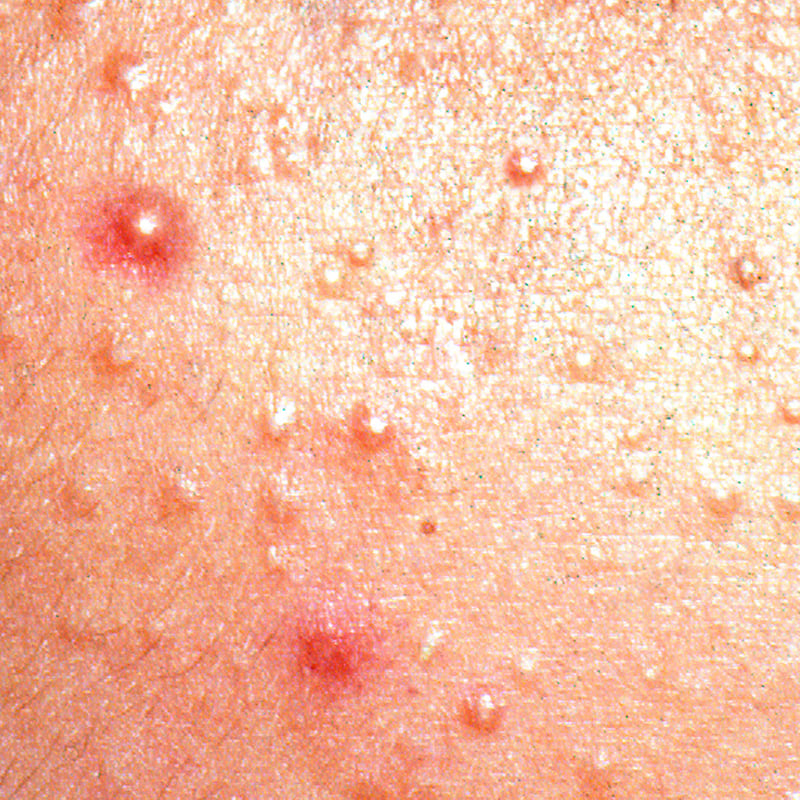
While both are characterised by redness, red spots (papules) and white spots (pustules) on the face, acne is also characterised by the presence of blackheads (comedones) and can cause scarring and marks (post-inflammatory hyperpigmentation). The presence of small vessels is specific to rosacea. The age of the patient can also guide the diagnosis, as acne is very common in teenagers. Lastly, acne can affect other parts of the body (torso, back), whereas rosacea only affects the central part of the face.
Rosacea or eczema?
Eczema is manifested by the appearance of itchy, oozing and then crusty red patches all over the body, including the face. It most often appears in infants from the age of three months and improves over time in the vast majority of cases, although it can persist or even start in teenagers or adulthood. Its mechanisms are as complex as those of rosacea and combine immunological, genetic and environmental factors. But with atopic eczema, there is an allergic component, with the skin reacting to certain elements such as dust, mites or animal hair. Other symptoms such as asthma, rhinitis or allergic conjunctivitis are often present.
Rosacea or couperosis?
The term couperosis refers to one of the visible symptoms of rosacea - the permanent dilation of small blood vessels on the face, which appear as fine red lines (known as telangiectasia). In contrast, rosacea is the broader chronic skin condition that may include couperosis along with other symptoms such as redness, inflammation and spots.
In short, couperosis is a feature of rosacea, not a separate condition. Understanding this distinction helps ensure proper diagnosis and effective treatment.
Rosacea or lupus?
Lupus erythematosus, commonly known as lupus, is a chronic inflammatory autoimmune disease in which the body’s immune system attacks its own healthy cells. The condition can affect several organs, including the skin, joints, kidneys, heart and lungs.
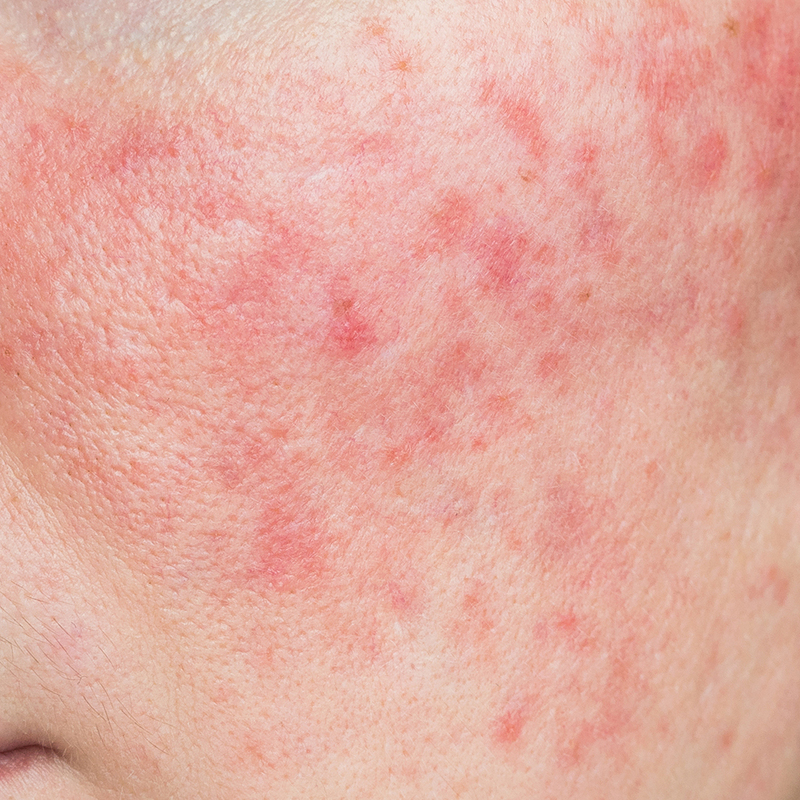
When lupus affects the skin, it often causes a distinctive butterfly-shaped rash across the nose and cheeks, which can easily be mistaken for rosacea. Both conditions can cause facial redness, particularly in the central part of the face and both tend to occur more frequently in women between puberty and menopause.
However, there are key differences. Unlike rosacea, lupus may also cause ulcerations of the mucous membranes - most commonly on the palate, inside the cheeks, gums and nose and can lead to systemic symptoms involving other parts of the body such as the joints, kidneys, heart lining (pericardium), nervous system and blood.
The two conditions share several overlapping features, it’s essential to consult a dermatologist or specialist doctor for a precise diagnosis and the most appropriate treatment.
Rosacea or pityriasis rosea?
Pityriasis rosea is an inflammatory skin condition thought to be triggered by a temporary malfunction of the immune system. It typically causes red patches or scaly spots to appear on the trunk, arms and legs, developing within four to 14 days. The condition mainly affects children and young adults and is often accompanied by itching.
Although pityriasis rosea may occasionally affect the face, it usually has a different pattern and progression from rosacea. Rosacea primarily targets the central face and is associated with persistent redness, visible blood vessels and acne-like spots, rather than widespread rashes on the body.
If you notice red or rough patches on your skin, it’s best to consult a dermatologist for an accurate diagnosis, as pityriasis rosea and rosacea require different treatment approaches.
Rosacea or allergy?
Rosacea is not an allergic reaction. Instead, it’s a chronic inflammatory skin condition often triggered by overstimulation of the skin’s receptors through environmental or lifestyle factors such as temperature changes, spicy foods, alcohol or stress.
By contrast, a facial allergy, including sun allergy (photosensitivity) occurs when the skin reacts to an external allergen such as food, medication, skincare products or UV exposure. While both conditions can cause facial redness, allergies often lead to sudden inflammation, itching or swelling, whereas rosacea tends to cause persistent redness and visible blood vessels over time.