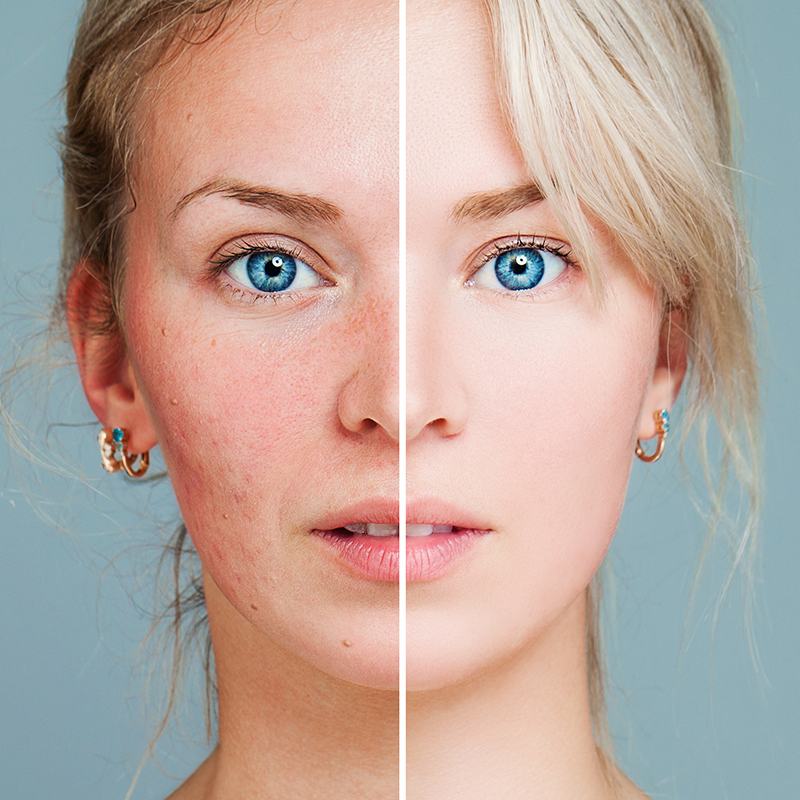
People with sensitive skin often experience uncomfortable sensations on their face, with or without redness (erythema). These sensations may include tingling, tightness, burning or occasional itching (pruritus). Individuals with sensitive skin frequently find that many cosmetic or skincare products cause irritation and are difficult to tolerate.
Sensitive skin
Key information about sensitive or intolerant skin
Reading time : 3 min
.jpg)
How can I tell if I have sensitive or intolerant skin?
Sensitive or intolerant skin reacts more than normal skin; it is hyper-reactive. People with this skin type often experience sensations such as tingling, warmth, stinging or occasional itching, which tend to occur intermittently.
Sometimes accompanied by redness, these uncomfortable sensations are triggered by everyday factors that would not usually cause irritation in other skin types.
Common triggers include:
- Physical: UV radiation, hot or cold weather, wind, temperature changes or friction.
- Chemical: cosmetics, soap, water, shaving products and certain skincare ingredients.
- Psychological: stress and strong emotions.
- Hormonal: menstrual cycle fluctuations.
- Internal factors: spicy food and other dietary triggers.
Sensitive and intolerant skin reacts to stimuli that have little or no effect on other skin types. This occurs because the skin’s tolerance threshold is reduced – the more sensitive the skin, the lower its ability to tolerate external and internal stressors..
While sensitive skin tends to react temporarily or under specific conditions, intolerant skin is almost constantly reactive, with an extremely low tolerance level.

What are the two main causes of skin sensitivity?
There are two primary factors responsible for lowering the skin’s tolerance threshold, leading to increased sensitivity:
- A weakened skin barrier
In sensitive or intolerant skin, the epidermal barrier function is impaired. When this protective barrier is compromised, the skin loses moisture more easily, becoming dehydrated. At the same time, it becomes more permeable, allowing potential irritants to penetrate and trigger discomfort or inflammation. - Increased inflammatory and neural responses
Sensitive skin tends to overproduce pro-inflammatory cytokines (chemical messengers released by skin cells) and certain neuromediators from superficial nerve endings. These heightened responses lead to the tingling, burning and tight sensations often reported by people with sensitive skin. Additionally, this skin type tends to generate an excess of free radicals, which can further damage cells and exacerbate sensitivity.
Who is affected by sensitive skin?
Sensitive skin is a common condition, estimated to affect around one in three adults.
Women are more frequently affected (about 60%) compared with men (around 40%). Genetics and family history can play a role, making some people’s skin more reactive than others - particularly those with fair complexions. However, skin colour alone does not determine sensitivity and this condition can affect anyone. In general, the frequency of sensitive skin tends to decrease with age.
Sensitive skin may or may not appear alongside visible dermatological conditions such as rosacea, eczema or seborrhoeic dermatitis. Failing to protect the skin from known triggers - such as harsh products, temperature changes or sun exposure, can cause sensitivity to develop or worsen over time.
Beyond physical discomfort, sensitive skin can have psychological impacts, as daily life may be disrupted by irritation or discomfort. Managing dermatological conditions in sensitive skin can also be challenging, since many topical treatments are poorly tolerated.
What are the four key recommendations for sensitive skin?
Get a complete diagnosis
Visit a dermatologist to identify the factors that trigger or worsen your skin’s sensitivity. Your doctor will also check for underlying conditions such as rosacea, eczema or seborrhoeic dermatitis, which may require targeted treatment.
Protect your skin every day
Avoid or minimise exposure to potential irritants:
- Cold or windy weather.
- Harsh or unsuitable cosmetic products (e.g. aggressive cleansers, scrubs or creams).
- For men, shaving too quickly or using unsuitable products (allow hair to soften in warm water for at least three minutes before shaving).
- Sun exposure - UV rays can increase skin sensitivity, so always use a high-quality sunscreen or photoprotective product.
Gentle cleansing
Keep your skincare routine simple and soothing:
- Use a mild, no-rinse cleanser formulated for very sensitive skin, ideally fragrance-free, preservative-free and surfactant-free.
- Avoid over-washing or rubbing your skin.
- Gently pat your face dry with a soft towel instead of rubbing.
Targeted Skincare
- Apply an ultra-tolerant moisturiser once or twice daily to strengthen the skin barrier and reduce reactivity.
- Once or twice a week, use a gentle, hydrating mask for additional moisture and comfort.
- Choose make-up carefully, opting for products designed for sensitive skin and free from potential irritants such as fragrance or alcohol.